
Your laptop freezes mid-email, a text goes to the wrong person, and the train is late for the third day running. If you follow astrology, you have probably heard someone sigh, “It must be Mercury retrograde.” Whether you take the planets literally or simply enjoy the ritual of checking in with them, these few weeks have become a cultural shorthand for slowing down, double-checking and being gentle with yourself.
In this guide we explain what Mercury retrograde actually is (and isn’t), then walk through nine crystals that are traditionally used to stay grounded, communicate clearly and keep frustration in check. You’ll also find a simple retrograde ritual, a pocket-kit checklist and answers to the questions people ask most. For the astronomy in more depth, see our explainer what is Mercury retrograde.

What Is Mercury Retrograde?
Roughly three times a year, for about three weeks at a time, Mercury appears to drift backwards against the background stars when viewed from Earth. It isn’t really reversing. Mercury orbits the Sun much faster than we do, so when it overtakes Earth on the inside track, our line of sight creates the illusion of backward motion — the same effect as passing a slower car on the motorway and watching it seem to slide backwards.
In astrology, Mercury rules communication, travel, technology, contracts and quick thinking. Astrologers therefore associate retrograde periods with miscommunication, delays and tech hiccups, and recommend reviewing rather than launching. It’s worth being honest here: there is no scientific evidence that Mercury’s apparent motion affects events on Earth. Many people still find the retrograde calendar useful as a regular prompt to back up files, reread messages and slow down — habits that help whatever the planets are doing.
The three phases astrologers talk about
- Pre-shadow (about two weeks before): a time to tie up loose ends and back up anything important.
- Retrograde (about three weeks): review, revisit, reconnect. Traditionally not the moment to sign big contracts or buy new tech.
- Post-shadow (about two weeks after): integration. Lessons settle and plans that stalled start moving again.
The 9 Best Crystals for Mercury Retrograde
Each of these stones is chosen for a theme astrologers link with Mercury: grounding when plans fall apart, calm when nerves fray, and clear expression when words keep coming out wrong.
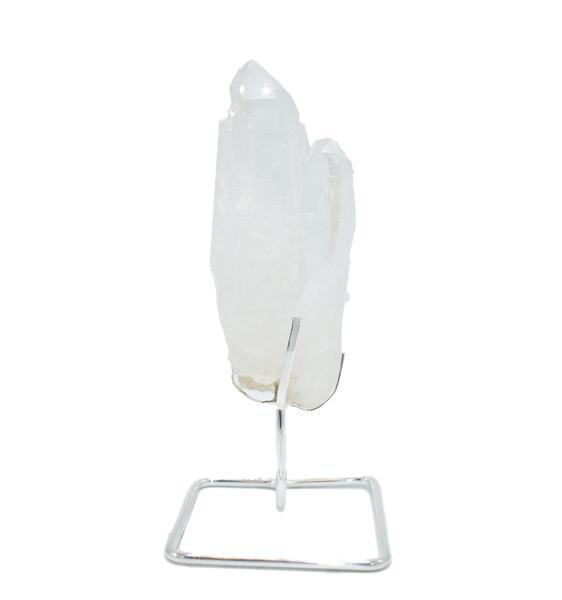
1. Clear Quartz — for mental clarity
Called the “master healer,” clear quartz is said to amplify intention and clear mental fog. During retrograde, many people keep a point on their desk as a reminder to pause, reread and think before replying. It is also believed to amplify the other stones in this list, so it makes a good centrepiece for a small grid.
2. Fluorite — for organised thinking
Nicknamed the “genius stone,” fluorite is associated with order, focus and sorting through mental clutter. When emails pile up and schedules shift, hold a piece while you write your to-do list. Fluorite is soft (Mohs 4), so keep it away from harder stones in your bag.
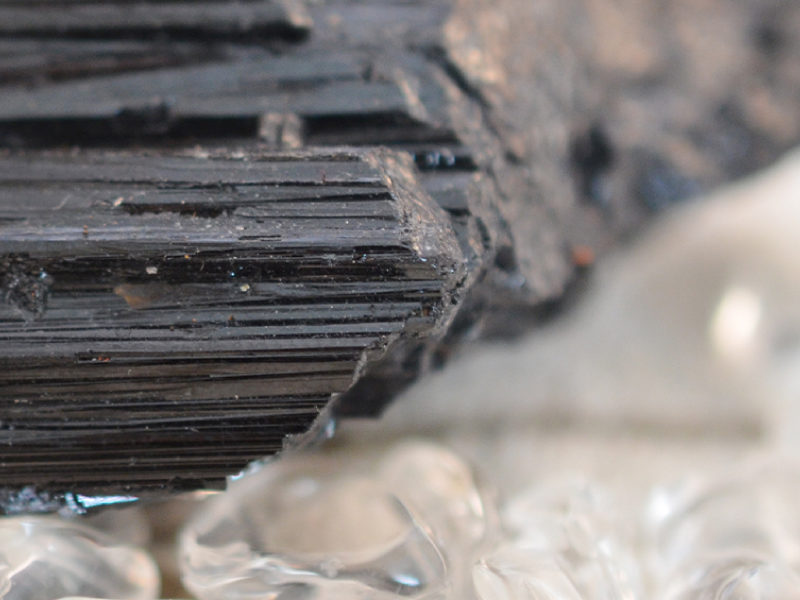
3. Black Tourmaline — for grounding and protection
Black tourmaline is one of the most popular root chakra stones and is traditionally used to absorb stress and create a sense of energetic protection. If retrograde leaves you feeling scattered, place a piece by your front door or hold one during a few slow breaths before a difficult conversation.
4. Aquamarine — for calm communication
Sailors once carried aquamarine as a talisman for safe passage, and today it is linked with the throat chakra and speaking with patience. Wear it as a pendant near the throat on days when you need to have a tricky conversation without escalating it.

5. Lapis Lazuli — for honest expression
Prized by ancient Egyptians and Mesopotamians, lapis lazuli is called the stone of truth. It is believed to help you say what you mean — useful when misunderstandings are the theme of the season. Try journaling with a piece nearby before sending anything important.
6. Hematite — for staying anchored
Heavy and metallic, hematite is a classic grounding stone. When routines are disrupted by cancellations and delays, many people carry a tumbled hematite in a pocket and squeeze it as a cue to come back to the present moment. Keep hematite dry; it can rust.
7. Amazonite — for soothing frustration
Gentle sea-green amazonite is said to soothe irritation and help you set boundaries kindly. It suits people who notice their temper rising when tech glitches stack up. Keep it out of long soaks and strong sun, which can dull its colour.
8. Shungite — for a calmer tech corner
Shungite is a carbon-rich stone from Karelia, Russia, often placed beside laptops and phones. We want to be clear: there is no evidence that shungite or any crystal blocks electromagnetic radiation. Many people simply find that a dark, grounding stone by their devices is a helpful prompt to take screen breaks — and to back up their files before retrograde begins.
9. Smoky Quartz — for letting go
Smoky quartz is traditionally used to release tension and transform heavy feelings. Retrograde is said to bring the past back around — old friends, old habits, old arguments. Smoky quartz is a favourite for working through them without getting stuck.
Which Crystal for Which Retrograde Problem?
- Tech keeps failing: shungite by your devices, clear quartz on the desk.
- Miscommunication with a partner or colleague: aquamarine or lapis lazuli worn near the throat.
- Travel delays and cancellations: hematite or black tourmaline in your pocket.
- Overwhelmed by a backlog: fluorite while you plan your day.
- Old relationships resurfacing: smoky quartz plus a little rose quartz for compassion.
- Short temper: amazonite, plus a walk outside.
A Simple 10-Minute Mercury Retrograde Ritual
Try this on the first day of the retrograde, and again at the halfway point. Start with freshly cleansed crystals.
- Choose three stones: one grounding (black tourmaline or hematite), one for communication (aquamarine or lapis) and one for clarity (clear quartz or fluorite).
- Sit somewhere quiet and place the grounding stone at your feet, the communication stone in your hands and the clarity stone in front of you.
- Take ten slow breaths, lengthening each exhale.
- Write down three things you want to review during the next three weeks — an old project, a conversation you have been avoiding, a habit to reset.
- Write one practical safeguard for each area: back up your phone, reread emails before sending, confirm travel bookings.
- Close by holding the clarity stone and setting a simple intention, such as “I slow down and communicate with care.”
- Keep the three stones together on your desk or bedside table until the retrograde ends.

Build a Mercury Retrograde Pocket Kit
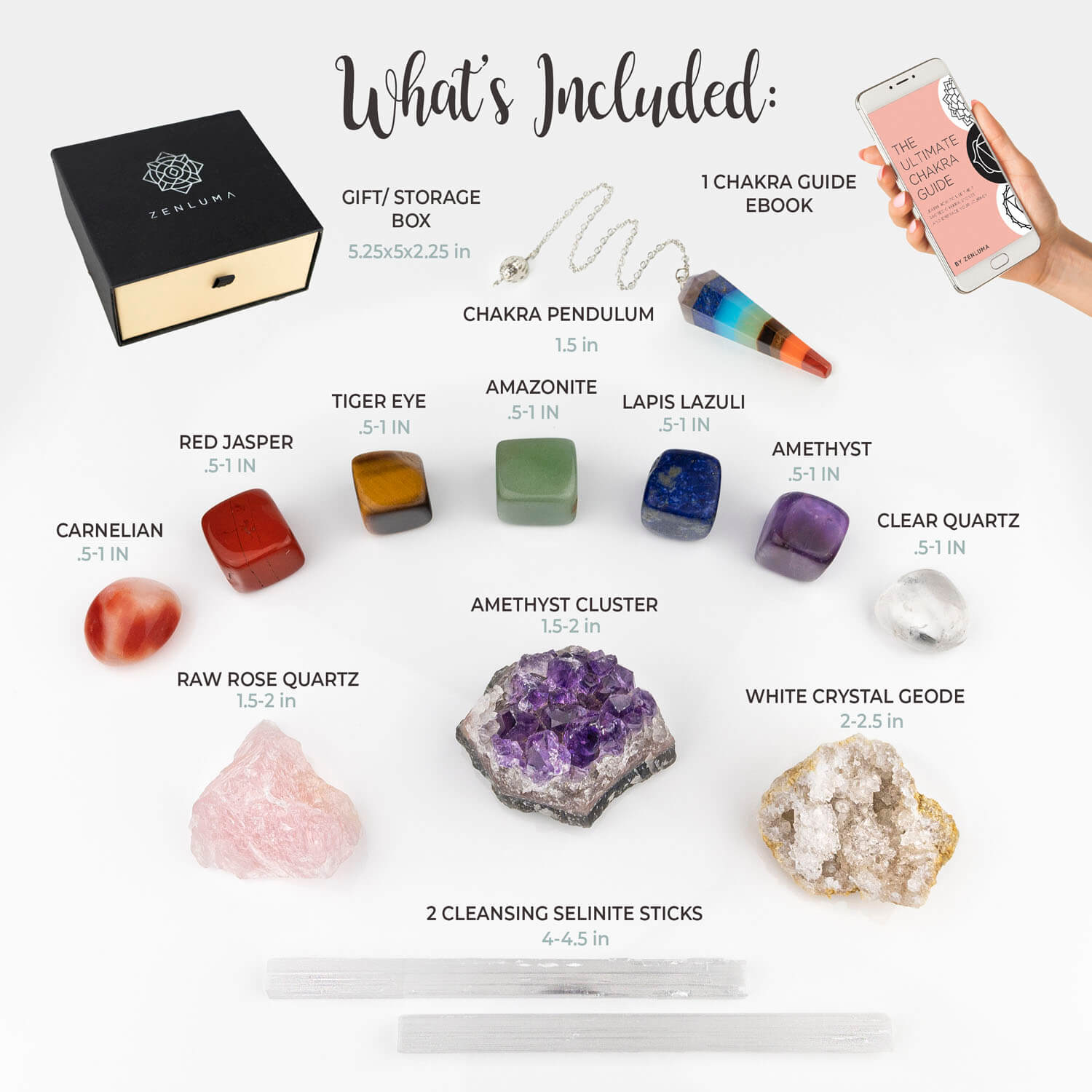
A small pouch of tumbled stones is easy to carry through a hectic few weeks. A good starter kit is black tourmaline, clear quartz, fluorite and amazonite. If you are building from scratch, a tumbled crystal set with a pouch usually costs less than buying stones individually, and our guide to crystals for beginners explains what to look for.
Add a few practical items alongside: a phone charger, a notebook for double-checking plans and a reminder to back up your devices. The crystals help you remember to pause; the notebook makes sure the train times are right.
Practical Retrograde Habits That Actually Help
- Back up your phone and computer before the pre-shadow begins.
- Reread important emails and messages before you hit send.
- Confirm appointments, bookings and travel times the day before.
- Build buffer time into your schedule for delays.
- If you must sign a contract or buy tech, read the small print twice — good advice in any month.
- Use the slower energy to revisit old projects, tidy your crystal grid and reconnect with friends.
Crystals for Mercury Retrograde by Zodiac Sign
Mercury rules Gemini and Virgo, so astrologers say these signs feel retrograde most. Gemini often reaches for aquamarine and clear quartz to keep conversations clear, while Virgo tends to favour fluorite and amazonite to calm perfectionism. Fire signs such as Aries may appreciate hematite for patience, and intense water signs like Scorpio often choose smoky quartz for release.
Caring for Your Retrograde Crystals
Cleanse your stones at the start and end of each retrograde. Smoke cleansing, sound or resting them on a selenite plate all work for every stone in this list. Avoid water for hematite, fluorite, amazonite and lapis lazuli, and keep amazonite, fluorite and smoky quartz out of strong sunlight to protect their colour. For a deeper protective setup, see our list of crystals for protection, or our calming crystals for anxiety if retrograde season leaves you on edge.
Frequently Asked Questions
What crystal is best for Mercury retrograde?
If you only choose one, black tourmaline is the most popular pick for grounding and protection. Pair it with clear quartz for mental clarity if you can.
Does Mercury retrograde really affect us?
There is no scientific evidence that it does — the backward motion is an optical illusion. Astrology treats it as a symbolic period for review, and many people find that framing a useful reminder to slow down and double-check.
How often does Mercury go retrograde?
Usually three, occasionally four, times a year, for roughly three weeks each time, with shadow periods of about two weeks before and after.
Should I avoid starting new things during Mercury retrograde?
Astrologers traditionally advise reviewing rather than launching, but life doesn’t stop for three weeks. If you need to sign or start something, just build in extra checks.
Can I wear my retrograde crystals as jewellery?
Yes. Aquamarine, lapis lazuli and hematite are especially popular as pendants and bracelets. A hematite bracelet is an easy, low-maintenance option to wear every day.
Which zodiac signs are most affected by Mercury retrograde?
Astrologically, Gemini and Virgo — the signs Mercury rules — are said to feel it most, along with anyone whose birth chart has a prominent Mercury placement.
Crystals are a complementary practice rooted in tradition and personal belief. They are not a substitute for professional medical or mental-health care. If you are struggling, please speak to a qualified professional.