
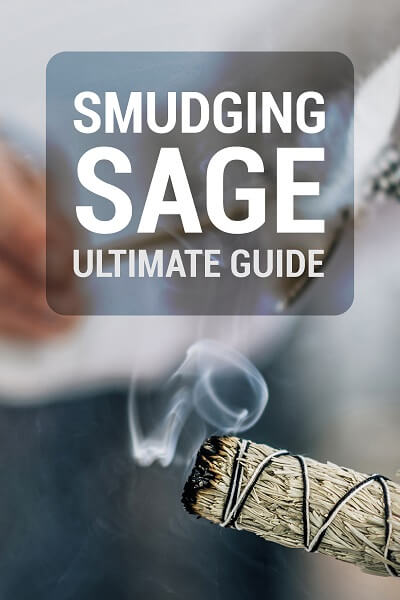
Burning sacred herbs is a ceremonial tradition embraced by cultures around the world. Rooted in Native American culture, the practice of using fragrant smoke to cleanse energy — commonly known as smudging — has found its way into modern holistic living. During this ritual, a bundle of dried sage is lit, and the resulting smoke is said to purify spaces, objects, and even a person’s aura.
Whether you are moving into a new home, recovering from a stressful period, or simply refreshing the energy in your living space, smudging sage is believed to be one of the most powerful cleansing rituals available. In our beginner’s guide to smudging, we covered the basics. This guide dives deeper — from choosing the right sage to combining smudging with crystals for a truly elevated experience.
What Is Smudging Sage?
Smudging is the practice of burning dried herbs — most commonly white sage — and using the smoke to cleanse a space, object, or person of negative or stagnant energy. The tradition is believed to date back thousands of years and is deeply intertwined with Indigenous ceremonies throughout North America.
In modern practice, people smudge for a variety of reasons: to purify a new home, to reset after a difficult conversation, or to establish a peaceful atmosphere before meditation or yoga. The key is intention — setting a clear purpose for what you want the smoke to cleanse and transform.
Benefits of Smudging Sage
People who practice smudging regularly report a wide range of positive effects. While scientific research on smudging is limited, many practitioners and holistic wellness experts believe the benefits include:
- Space cleansing: Removing stagnant, heavy, or negative energy from your home or workspace
- Air purification: A 2007 study published in the Journal of Ethnopharmacology found that medicinal smoke reduced airborne bacteria by over 94%
- Stress relief: The calming scent of burning sage is said to reduce anxiety and promote relaxation
- Spiritual connection: Many people use smudging as a gateway to deeper meditation and spiritual awareness
- Emotional release: The ritual is believed to help release stored traumas, painful memories, and negative thought patterns
- Mood improvement: White sage contains compounds that may activate receptors in the brain responsible for reducing stress and improving mood
- Fresh starts: Smudging is a popular ritual when moving into a new home, starting a new job, or beginning a new chapter in life
Whether you are drawn to smudging for spiritual or practical reasons, the ritual offers a moment to pause, breathe, and reconnect with your intentions. If you are also looking for ways to remove negative energy from your home, smudging is an excellent starting point.
Which Sage Is Best for Smudging?
Not all sage is created equal when it comes to smudging. Here are the most popular varieties and what each one is traditionally used for:
White Sage (Salvia apiana)
White sage is the most widely recognized and commonly used herb for smudging. Native to the coastal mountains of Southern California, it has a strong, earthy aroma and is believed to have the most powerful purification properties. If you are new to smudging, white sage is the place to start.
Desert Sage
Desert sage has a lighter, more subtle scent than white sage. It is often used for purification and protection and is an excellent choice if you find white sage too intense.
Blue Sage (Grandmother Sage)
Blue sage produces a soft, pleasant aroma and is typically used for healing and cleansing rituals. It is milder than white sage and a good option for everyday use.
Cedar and Lavender
While not technically sage, cedar and lavender are often bundled with sage or used as standalone smudging herbs. Cedar is associated with protection and grounding, while lavender promotes calm and restful sleep.
🛒 Shop White Sage Smudge Sticks on Amazon

What You Need for Smudging
Before you begin your smudging ritual, gather these essentials:
- A sage smudge stick — white sage bundles are widely available
- A fire-safe bowl or shell — An abalone shell is the traditional choice, as it represents the water element and completes the four elements in the ritual (earth = sage, fire = flame, air = smoke, water = shell)
- Matches or a lighter — Many practitioners prefer wooden matches for a more natural flame
- A feather or fan — Optional, but useful for directing smoke into corners and across surfaces
- Sand — Place a thin layer in your bowl for safe extinguishing
How to Smudge Sage: Step-by-Step Guide
Smudging sage is a simple practice, but approaching it with mindfulness and respect elevates the experience. Here is a step-by-step walkthrough:
Step 1: Set Your Intention
Before you light anything, take a moment to ground yourself. Close your eyes, take a few deep breaths, and clearly state — aloud or in your mind — what you want the smudging to accomplish. Your intention might be as simple as “I cleanse this space of all negative energy” or “I invite peace and clarity into my home.” For more guidance on working with intentions, see our guide on intention setting with crystals.
Step 2: Open Doors and Windows
Open at least one window or door in each room you plan to smudge. This gives the negative energy a pathway to leave and allows fresh air to circulate as the smoke does its work.
Step 3: Light the Sage
Hold your sage bundle at a 45-degree angle over the fire-safe bowl and light the tip with a match or candle. Allow it to burn for about 20 seconds, then gently blow out the flame so the bundle is smoldering and producing a steady stream of smoke.
Step 4: Walk Through Your Space
Starting at your front door, move clockwise through each room. Use your free hand or a feather to waft the smoke into corners, along windowsills, under furniture, and into closets — anywhere stagnant energy tends to collect. Pay extra attention to entryways, mirrors, and electronics, which are believed to hold energy.
Step 5: Smudge Yourself
After cleansing your space, you can also smudge your own aura. Hold the smoking bundle at arm’s length and waft the smoke around your body from head to toe, visualizing the smoke carrying away any stress, worry, or negativity you have been holding.
Step 6: Extinguish the Sage
When you have finished, press the lit end of the sage bundle firmly into sand or the fire-safe bowl until it stops smoking. Never leave a smoldering sage bundle unattended. Store your remaining sage in a cool, dry place for future use.

When Should You Smudge?
There is no wrong time to smudge, but certain moments are believed to amplify the practice:
- Moving into a new home: Clear the previous occupants’ energy and make the space your own
- After illness or conflict: Reset the energy in your home after a period of stress or sickness
- Before meditation or yoga: Create a sacred, purified space for deeper practice
- During a full moon: Many practitioners combine smudging with full moon rituals for maximum cleansing power
- Seasonally: Smudging at the change of each season is a wonderful way to welcome new energy
- When you feel “off”: Trust your intuition — if your space feels heavy or stale, it is time to smudge
Combining Sage and Crystals for Deeper Cleansing
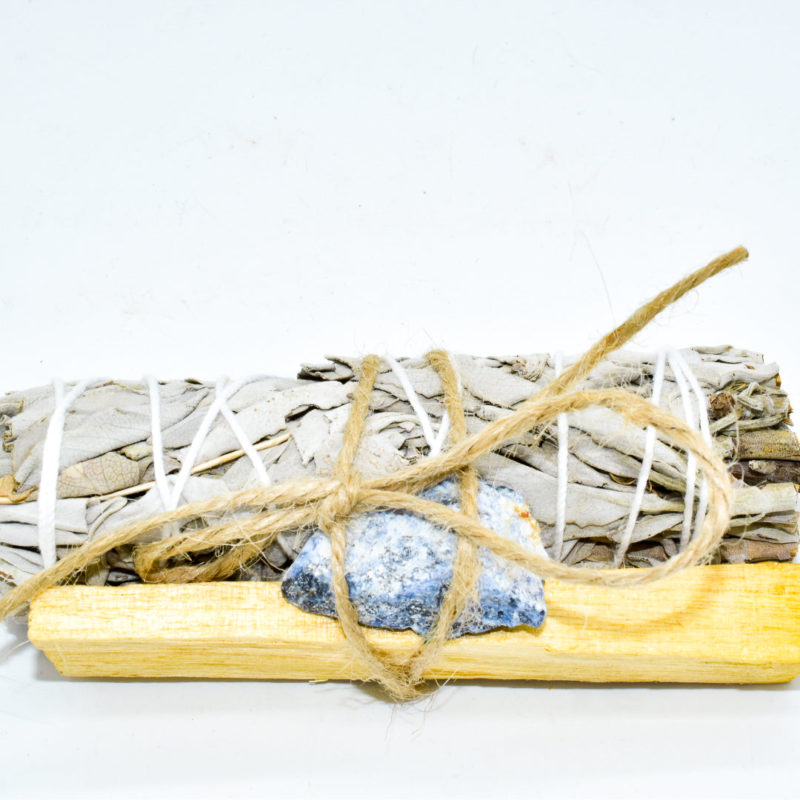
Sage and healing crystals are natural partners. Many practitioners place crystals around their home and then smudge over them to cleanse and recharge their energy. Here are some powerful crystal-and-sage combinations:
- Amethyst — Place amethyst near your meditation space and smudge around it. Amethyst is believed to enhance spiritual awareness and calm the mind.
- Rose Quartz — Smudge over rose quartz in your bedroom to promote loving, peaceful energy.
- Black Tourmaline — Place this powerful protection stone near your front door and smudge around it regularly to maintain a strong energetic shield.
- Clear Quartz — Known as the “Master Healer,” clear quartz can amplify the cleansing effects of your smudging practice.
You can also pass individual crystals through the sage smoke to cleanse them. This is one of the gentlest methods of cleansing your crystals and works for stones of all types — even those that should not be submerged in water. For more alternatives to traditional cleansing methods, see our guide on cleansing crystals without palo santo.
🛒 Shop Sage & Crystal Cleansing Kits on Amazon
Smudging Safety Tips
- Always use a fire-safe container to catch falling embers
- Never leave burning sage unattended
- Keep sage away from flammable materials, curtains, and paper
- If you have respiratory conditions such as asthma, use sage sparingly and ensure good ventilation — or consider alternatives like palo santo alternatives
- Keep children and pets at a safe distance during the ritual
- Ensure your smoke detector will not be triggered — or briefly cover it and remember to uncover after
Cultural Respect and Ethical Sourcing
Smudging is a sacred practice with deep cultural significance for many Indigenous communities. As it has become more mainstream, it is important to approach the practice with respect:
- Source ethically: Purchase sage from sellers who harvest sustainably and support Indigenous communities. Wild white sage is under increasing harvest pressure in some regions.
- Learn the history: Understanding the origins of smudging deepens your practice and shows respect for the traditions you are drawing from. Our guide on the history of smudging with abalone shells is a good place to start.
- Be mindful of language: Some Indigenous leaders prefer that non-Indigenous practitioners use the term “smoke cleansing” rather than “smudging” to distinguish from traditional ceremonial practices.
Smudging Sage FAQ
Can I use common garden sage for smudging?
Yes, common garden sage (Salvia officinalis) can be dried and used for smudging. However, white sage (Salvia apiana) is traditionally preferred for its stronger purification properties and more aromatic smoke.
How often should I smudge my home?
There is no strict rule. Many practitioners smudge weekly as part of a regular cleansing routine, while others smudge only when they feel the energy in their home needs a reset — such as after arguments, illness, or stressful events.
What do you say when smudging a house?
Your prayer or intention is personal. A common affirmation is: “I cleanse this space of all negativity. Only love, light, and positive energy may enter here.” Speak from the heart and focus on what feels right for you.
Is smudging sage safe for pets?
Smoke of any kind can irritate pets, especially birds and small animals with sensitive respiratory systems. Keep your pets in a well-ventilated room away from the smoke, and ensure the area has cleared before letting them back in.
Can I smudge at night?
Absolutely. In fact, smudging before bed is a popular practice for promoting restful sleep. Lightly smudge your bedroom and pair the ritual with a calming crystal like amethyst on your nightstand.
What is the difference between smudging and incense?
Smudging uses whole dried herbs — typically sage — burned on their own. Incense sticks and cones are manufactured products that often contain synthetic fragrances and binders. While both produce aromatic smoke, smudging with natural sage is considered a more traditional and pure form of smoke cleansing.
🛒 Shop Complete Smudging Kits on Amazon
Begin Your Smudging Journey
Smudging sage is a beautifully simple ritual that can transform the energy in your home and bring a sense of clarity and peace to your daily life. Whether you are a seasoned practitioner or lighting your first sage bundle today, the most important ingredient is your intention.
Pair your practice with healing crystals, set meaningful intentions, and approach the ritual with an open heart. For more ways to incorporate crystals into your holistic practice, explore our guides on crystals for beginners and what is crystal healing.
Disclaimer: The information in this article is intended for educational and entertainment purposes only. Crystal healing and smudging are complementary practices and are not substitutes for professional medical advice, diagnosis, or treatment.