Walk into any crystal shop and the sheer variety is the first thing that hits you: glassy points, banded eggs, velvety raw chunks, buckets of tumbled stones sorted by colour. It is beautiful — and completely overwhelming if you are trying to work out which types of crystals for healing actually belong in your collection.
This guide organises the confusion. We will cover the main mineral families, the stones most used in healing practice and what each is traditionally said to support, how crystals are sorted by colour and chakra, and the difference between shapes and cuts. By the end you should be able to walk into that shop and choose with intention rather than at random.

First, What Counts As A Healing Crystal?
Geologically, a crystal is any solid whose atoms sit in a repeating lattice — quartz, calcite, fluorite and beryl all qualify. In practice, the healing world uses the word more loosely. Amber is fossilised resin, obsidian is volcanic glass with no crystal structure at all, and lapis lazuli is a rock made of several minerals. All three are staples of the practice.
So a more useful definition is: a mineral or stone that people have traditionally used as a focus for intention, meditation and energy work. If you want the background on how the tradition sees them working, read how do healing crystals work.
Crystal healing is a traditional and spiritual practice. It is not a medical treatment, and nothing here should replace advice from a qualified health professional.
The Main Crystal Families
The Quartz Family — The Backbone Of Any Collection
Quartz (silicon dioxide) is the most abundant mineral family on the planet and by far the most used in healing. Its members share a hexagonal structure but differ wildly in colour and character: clear quartz the amplifier, amethyst the calmer, citrine the sun stone, rose quartz the heart stone, and smoky quartz the grounder.
Chalcedony — microcrystalline quartz — adds another whole branch: carnelian, agate, onyx, jasper and bloodstone. If you only ever collect quartz, you still have a complete healing kit.

Feldspars — Light, Sheen And Intuition
The feldspar group gives us moonstone, labradorite, sunstone and amazonite. What unites them visually is optical play — moonstone’s floating glow, labradorite’s blue-green flash. In tradition they are the intuition and transformation stones, worked with for dreams, cycles and change.

Silicates And Carbonates — Colour And Character
This broad group covers many collection favourites: green aventurine, lapis lazuli, sodalite, rhodonite, black tourmaline and the carbonate malachite. Softer stones live here too, which matters for care — malachite and calcite should never be soaked.
Halides And Sulphates — The Soft, Luminous Ones
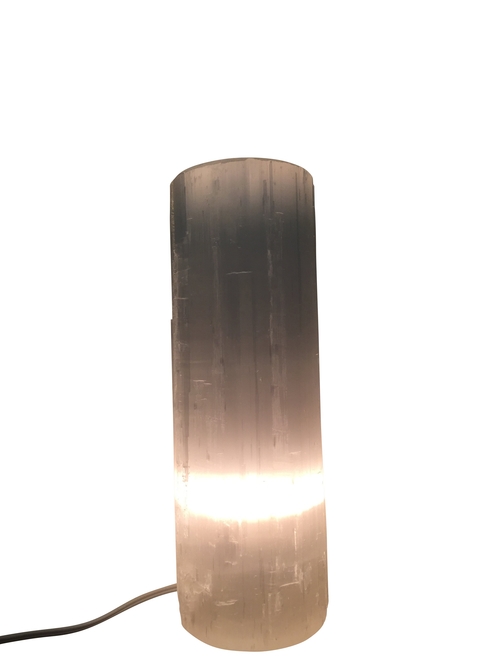
Fluorite (a halide) and selenite (a sulphate) are the two you will meet most. Both are soft — fluorite is Mohs 4, selenite just 2 — so they scratch easily and selenite dissolves in water. They are prized for mental clarity and for cleansing other stones respectively.
Non-Crystal Stones That Earn Their Place
Obsidian is volcanic glass, amber is fossilised tree resin, and shungite is a carbon-rich rock. None are true crystals, all are long-standing healing tools — a good reminder that this tradition follows use, not textbook mineralogy.

Types Of Crystals By What They Are Used For
This is how most people actually shop. Match the stone to the season you are in:
- Calm and sleep — amethyst, lepidolite, howlite, blue lace agate. See crystals for sleep.
- Love and self-worth — rose quartz, rhodonite, green aventurine, kunzite. See crystals for love.
- Focus and study — fluorite, sodalite, clear quartz, tiger’s eye. See crystals for studying.
- Confidence and drive — citrine, carnelian, sunstone, pyrite. See crystals for confidence.
- Protection and grounding — black tourmaline, obsidian, smoky quartz, hematite. See crystals for protection.
- Abundance — citrine, pyrite, jade, green aventurine. See crystals for wealth and prosperity.
- Intuition and dreams — moonstone, labradorite, amethyst, lapis lazuli.
Types Of Crystals By Colour
Colour is the fastest shortcut in crystal healing, because it maps neatly onto the chakra system. It is not a perfect rule, but it is a reliable starting point.
- Red and deep brown — Root chakra. Red jasper, garnet, hematite, smoky quartz. Grounding and safety.
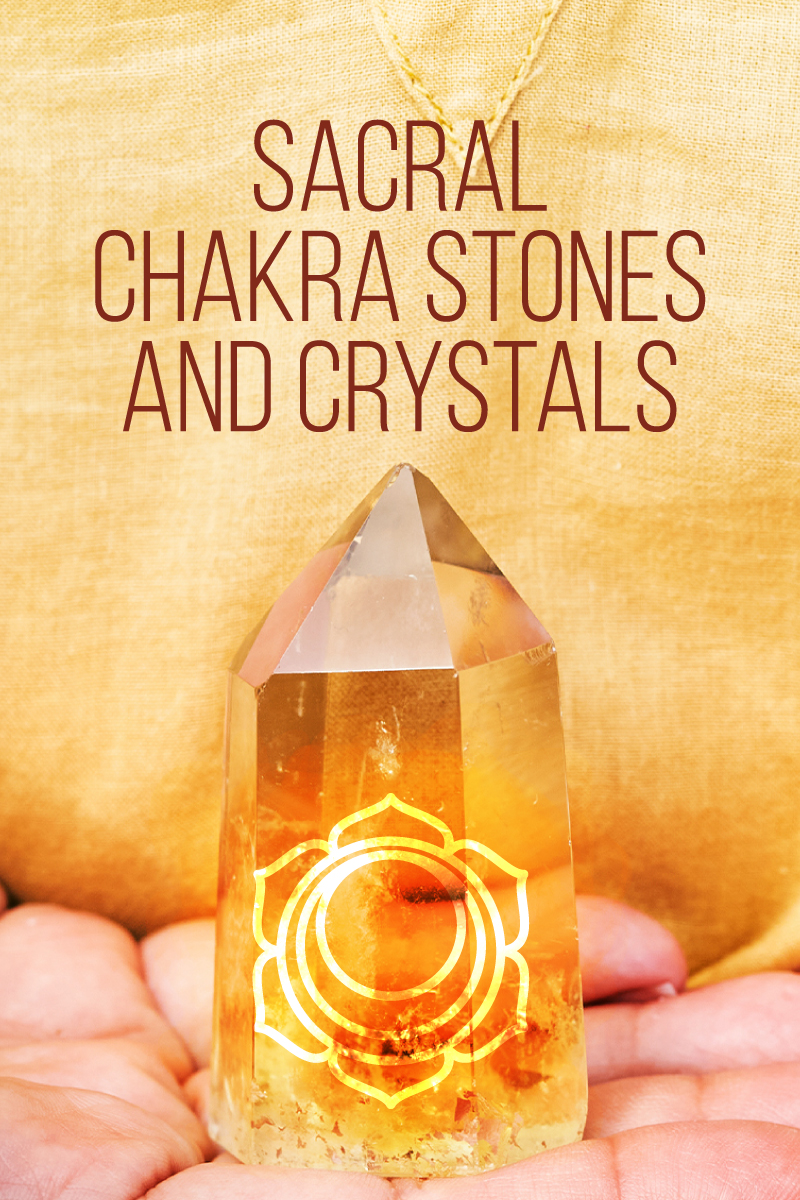
- Orange — Sacral chakra. Carnelian, sunstone, orange calcite. Creativity and appetite for life.
- Yellow and gold — Solar Plexus. Citrine, pyrite, tiger’s eye. Confidence and will.
- Green and pink — Heart. Green aventurine, malachite, rose quartz, rhodonite. Love and compassion.
- Blue — Throat. Lapis lazuli, sodalite, blue lace agate, aquamarine. Voice and truth.
- Indigo — Third Eye. Amethyst, labradorite, azurite. Intuition.
- White, clear and violet — Crown. Clear quartz, selenite, howlite. Connection and clarity.
Our guides to healing the chakras with crystals and what order chakra stones go in take this further.
Types Of Crystal Shapes And Cuts
The same mineral behaves differently in your practice depending on its form. Shape is about how you will use it, not about quality.
- Tumbled stones — smooth, affordable, pocket-friendly. The best way to start. Compare rough vs tumbled crystals.
- Raw or rough — unpolished and full of character; lovely for display and grids.
- Points and towers — said to direct energy in the direction they face. See natural crystal points.
- Clusters and geodes — many points on one base, traditionally used to fill a whole room.
- Spheres — radiate evenly in all directions; popular for meditation.
- Palm and worry stones — flat, thumb-hollowed, perfect for anxious hands.
- Wands — shaped for body work. See how to use a chakra wand and Vogel crystals.
- Jewellery — the easiest way to keep a stone with you all day.
Which Types Should A Beginner Buy First?
Start with five and use them properly rather than owning thirty you never touch. The classic beginner set is clear quartz, amethyst, rose quartz, black tourmaline and citrine — between them they cover clarity, calm, love, protection and confidence. Our guide to starting a crystal collection goes deeper, and crystals for beginners explains how to choose your very first stone.
- Clear quartz point — the amplifier and centre of any grid.
- Amethyst tumbles — calm and sleep support.
- A beginner crystal kit — the cheapest way to get several types at once.
How To Spot Fakes And Dyed Stones
Variety brings imitations. A few reliable checks: deep orange “citrine” is almost always heat-treated amethyst; bright blue “turquoise” at pebble prices is usually dyed howlite; uniform, bubble-flecked stones are often glass. Real crystals feel cool and warm slowly in the hand. Buy from sellers who name the mineral and its origin — see where to buy healing crystals.
Caring For Different Types Of Crystals
Care depends on hardness and chemistry, not on price. Full method in our crystal cleansing guide, but the essentials:
- No water: selenite, malachite, lepidolite, halite, calcite, pyrite.
- No direct sunlight: amethyst, rose quartz, citrine, fluorite and most coloured stones fade.
- Universally safe: moonlight overnight, sound, smoke, or a night on a selenite plate.
- Store softly: fluorite and selenite scratch against harder quartz — keep them separated in cloth.
Frequently Asked Questions
How many types of healing crystals are there?
There are more than 5,000 known minerals, and crystal healing works with perhaps 200 of them regularly. Around 20 stones make up the vast majority of what you will actually see in shops and kits.
What are the most popular healing crystals?
Clear quartz, amethyst, rose quartz, citrine, black tourmaline, selenite, labradorite, carnelian, green aventurine and tiger’s eye. Those ten cover nearly every intention people bring to the practice.
Which type of crystal is best for beginners?
Clear quartz. It is inexpensive, durable, works with every intention and is traditionally said to amplify whatever stone you pair it with.
Do different types of crystals work together?
Yes — combining stones is standard practice. Pair a grounding stone with an uplifting one, or use clear quartz to amplify a smaller stone. The only real caution is care: keep soft stones away from hard ones in storage.
Are more expensive crystals more powerful?
No. Price tracks rarity, size and finish, not tradition. A small tumbled amethyst is used exactly as a museum-grade cluster is.
What is the difference between a crystal, a stone and a mineral?
A mineral is a naturally occurring compound; a crystal is a mineral with an ordered internal lattice; a rock or stone can be a mixture of several. Healing practice happily uses all three.
Choosing Your Next Crystal
The best way to navigate all these types is to stop shopping by list and start shopping by need. Name what you actually want more of this month — rest, courage, clarity, softness — then pick the family and colour that matches. One stone, used daily, will teach you more than a shelf full of untouched ones. When you are ready to use them, our guides to using healing crystals, meditating with crystals and setting intentions are the natural next steps.
Crystal healing is a traditional practice with no proven medical effect. Please seek professional care for any health concern.