
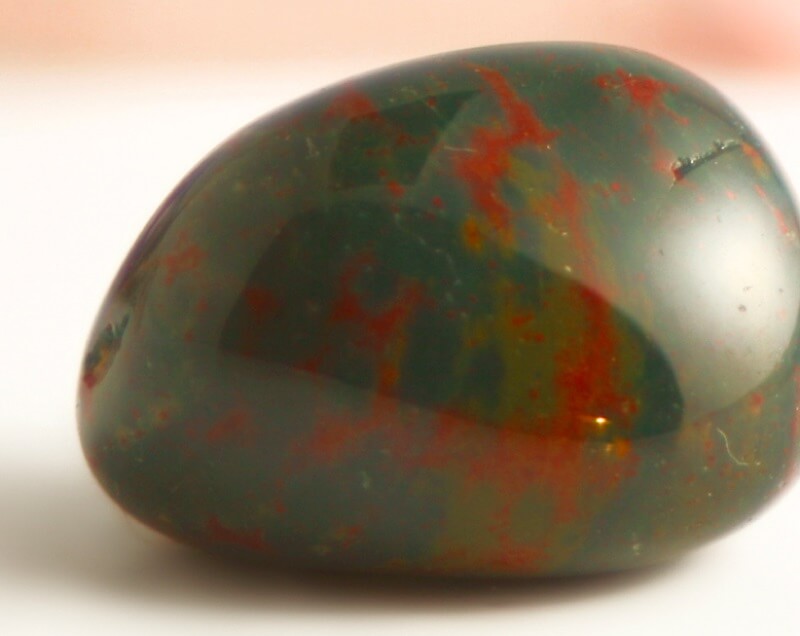
Bloodstone is one of those crystals that looks like it has a story to tell. Deep forest green, flecked with drops of red and sometimes gold, it has been carried by soldiers, carved by medieval artisans and treasured as a stone of courage for well over two thousand years. In this guide we look at what bloodstone is, where it comes from, what it is traditionally said to do, and how to use it in your own practice.
What Is Bloodstone?
Bloodstone is a variety of chalcedony — a microcrystalline form of quartz — coloured dark green by inclusions of chlorite or amphibole minerals. The red spots that give it its name are iron oxide (hematite or red jasper-like patches). Its older name, heliotrope, comes from the Greek for “sun turning”: ancient writers believed that a polished stone dropped in water would turn the reflected sunlight red.
Because it is a chalcedony, bloodstone sits at around 6.5–7 on the Mohs scale. That makes it tough enough for everyday carrying, worry stones and jewellery. Major sources include India (the most common commercial source), Brazil, Australia, China and the United States.
- Mineral family: chalcedony (quartz)
- Colour: dark green with red, sometimes yellow, spots
- Hardness: 6.5–7
- Chakras: root and heart
- Zodiac: traditionally Aries and Pisces; a classic March birthstone
- Element: earth
Bloodstone Meaning and History
Bloodstone has one of the longest documented histories of any crystal. The Roman writer Pliny the Elder described heliotrope in his Natural History in the first century, repeating the belief that it could make its wearer invisible when combined with the heliotrope plant. Babylonians are said to have used it for seals and amulets, and Roman gladiators and soldiers reputedly carried it for courage and to staunch wounds.
In medieval Christian Europe the stone took on a new meaning. A legend grew that bloodstone formed when drops of Christ’s blood fell on green jasper at the foot of the cross, and it became known as the “martyr’s stone.” Carvers used it for devotional pieces depicting the crucifixion, and it was ground into powders for folk remedies — a practice we definitely do not recommend.

Across these traditions the threads are consistent: bloodstone has been seen as a stone of courage, vitality, endurance and protection. Modern crystal practitioners still describe it this way — a grounding stone that is said to help you keep going when things get hard.
Bloodstone Healing Properties (Traditional Beliefs)
Courage and resilience
Bloodstone’s warrior history makes it the go-to crystal for people facing a challenge — a difficult conversation, a big exam, a long recovery or a new chapter. It is believed to steady nerves and encourage a calm, practical kind of bravery rather than bravado. Pair it with other crystals for confidence like carnelian and tiger’s eye.
Grounding and root chakra balance
Its earthy green and red colouring links bloodstone to the root chakra, the energy centre associated with safety and stability. If you feel scattered or anxious, holding bloodstone during a few minutes of slow breathing is a simple grounding ritual. Explore more root chakra stones if this is your focus.
Heart and emotional renewal
The green body connects it to the heart chakra too. Many people use bloodstone during times of emotional depletion, believing it helps them recharge and set healthier boundaries — useful for carers, parents and anyone who gives a lot of themselves.
Purification
Bloodstone is often called “the purification stone.” In crystal tradition it is said to clear stagnant or heavy energy from a space or from your own energy field. It works nicely alongside sage smudging or the techniques in our guide to removing negative energy from your home.
A quick note: older articles (including an earlier version of this one) sometimes claimed bloodstone protects against illness or airborne impurities. There is no scientific evidence for this. Enjoy bloodstone for its beauty and symbolism, and look after your health with your doctor.
How to Use Bloodstone
- Carry it. A tumbled stone in a pocket is the classic way to use bloodstone — just as soldiers reputedly did. Hold it when you need a moment of steadiness.
- Wear it. Bloodstone rings, beads and pendants have been popular since Victorian times, and the hardness suits daily wear. A bloodstone bead bracelet keeps it close all day.
- Meditate with it. Place bloodstone at the base of your spine or over your heart and visualise roots extending into the ground.
- Place it at your front door. In keeping with its purification reputation, some people keep a bloodstone near the entrance of the home.
- Use it in a grid. Bloodstone anchors courage and vitality grids beautifully. See our beginner’s guide to crystal grids.

Crystals That Pair Well With Bloodstone
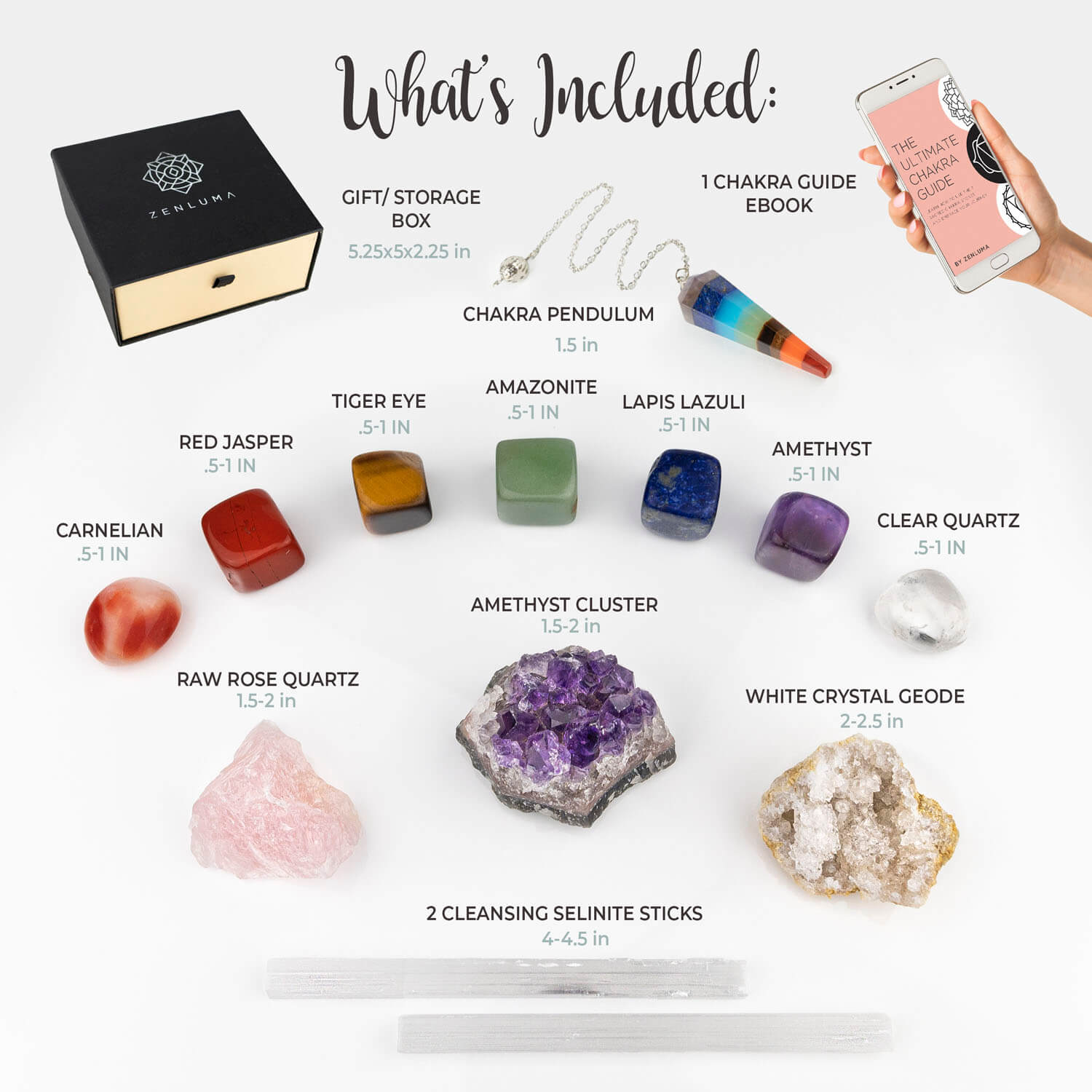
- Carnelian — adds warmth and motivation. Read carnelian meaning.
- Tiger’s eye — focus and confidence; see tiger’s eye meaning.
- Smoky quartz — deep grounding; see smoky quartz meaning.
- Amethyst — balances bloodstone’s fire with calm; see amethyst meaning.
- Black tourmaline / obsidian — for a stronger protection combination.
Bloodstone and the Zodiac
Bloodstone is the traditional alternative birthstone for March, alongside aquamarine, so it is especially associated with Pisces. Its martial, courageous energy also makes it a natural match for Aries, the ram of the zodiac, and some practitioners recommend it to Scorpio for its intensity and endurance.
How to Spot Real Bloodstone
Bloodstone is inexpensive, so outright fakes are less common than with pricier stones, but you will occasionally see dyed or glass imitations. Real bloodstone:
- Has irregular, natural-looking red spots rather than uniform dots
- Feels cool and heavy for its size
- Has a waxy to glassy polish typical of chalcedony
- Is opaque — you cannot see through it, even at thin edges in strong light (unlike glass)
Also be aware that “African bloodstone” is a different material (a green-and-red jasper or a mix of jasper and seftonite) — lovely, but not true heliotrope.
Cleansing and Caring for Bloodstone
Bloodstone is durable and non-porous enough for a quick rinse under running water; dry it gently afterwards. Avoid harsh chemicals and long soaks in salt water, which can dull the polish. Moonlight, sound, smoke and a bed of selenite are all gentle options — see our full guide on how to cleanse your crystals.
A Simple Bloodstone Courage Ritual
If you have a challenge coming up, try this short ritual the night before. It takes about ten minutes and needs nothing more than your stone, a candle and a notebook.
- Cleanse your bloodstone with a method that suits you — moonlight or a few passes through smoke work well.
- Light a candle and sit comfortably. Hold the bloodstone in your non-dominant hand, which many traditions see as the receiving hand.
- Take five slow breaths, feeling the weight and coolness of the stone. Imagine its green colour spreading through your chest and its red flecks as small sparks of warmth and courage.
- Write down the situation you are facing and one sentence describing how you want to show up — for example, “I will speak calmly and clearly.”
- Place the stone on top of the page overnight, then carry it with you the next day. Each time you touch it, repeat your sentence silently.
The ritual works on a very human level: it gives you a moment of preparation, a clear intention and a physical anchor to return to when nerves rise. Whatever you believe about crystal energy, that combination is genuinely helpful.
Bloodstone in Jewellery and Art
Bloodstone has been a favourite of carvers for centuries. Renaissance workshops produced cameos and small sculptures in it, and the Victorians loved bloodstone signet rings — its hardness meant a carved seal would last a lifetime. Men’s jewellery still features it heavily today, from cufflinks to signet rings, partly because its dark, understated colouring reads as classic and masculine. If you are choosing a piece, look for a deep green body with crisp, well-distributed red spots; too much brown or grey usually indicates lower grade material.
For crystal practice, there is no need to buy expensive pieces. A palm stone or a handful of tumbled bloodstones is affordable and just as meaningful.
Bloodstone FAQ
What is bloodstone good for spiritually?
Traditionally, bloodstone is said to support courage, endurance, grounding and purification. It is often used when someone needs strength to face a challenge.
Can bloodstone go in water?
Yes, briefly. As a chalcedony it tolerates a quick rinse. Avoid prolonged soaking or salt water.
Who should wear bloodstone?
Anyone drawn to it. It is especially associated with people born in March, Aries and Pisces signs, and anyone seeking steadiness during a demanding season of life.
Is bloodstone the same as heliotrope?
Yes. Heliotrope is the older, more technical name for the same green chalcedony with red spots.
Where do you put bloodstone in the house?
Near the front door for purification, on a desk for focus and stamina, or by the bed if you are using it for emotional renewal. If it feels too energising at night, move it to a living space.
This article shares traditional and spiritual beliefs about crystals. It is not medical advice, and crystals are not a substitute for professional care from a doctor or mental health practitioner.