

Focus is the scarcest resource most of us have. The best crystals for focus are traditionally fluorite and sodalite for study, tiger’s eye and pyrite for work, hematite and smoky quartz for grounding a scattered mind, and clear quartz for overall mental clarity.
None of these stones will concentrate for you. What they do — and what people have used them for across centuries of crystal tradition — is act as a physical cue. A stone on the desk is a small, silent agreement with yourself that this hour belongs to one task.
Why Focus Is So Hard
Attention wanders by design. The brain is built to scan for anything new, which was useful long before notifications existed. Add the ordinary culprits — short sleep, dehydration, skipped meals, background stress, too many open tabs both literal and mental — and concentration collapses quickly.
That is worth naming before we get to the stones, because crystal work sits on top of the basics, not instead of them. Water, sleep, a single task, and a phone in another room will always do more than any mineral. Used alongside those habits, though, a focus crystal becomes a ritual trigger: pick it up, and the work starts.

The 9 Best Crystals For Focus And Concentration
1. Fluorite — The Genius Stone
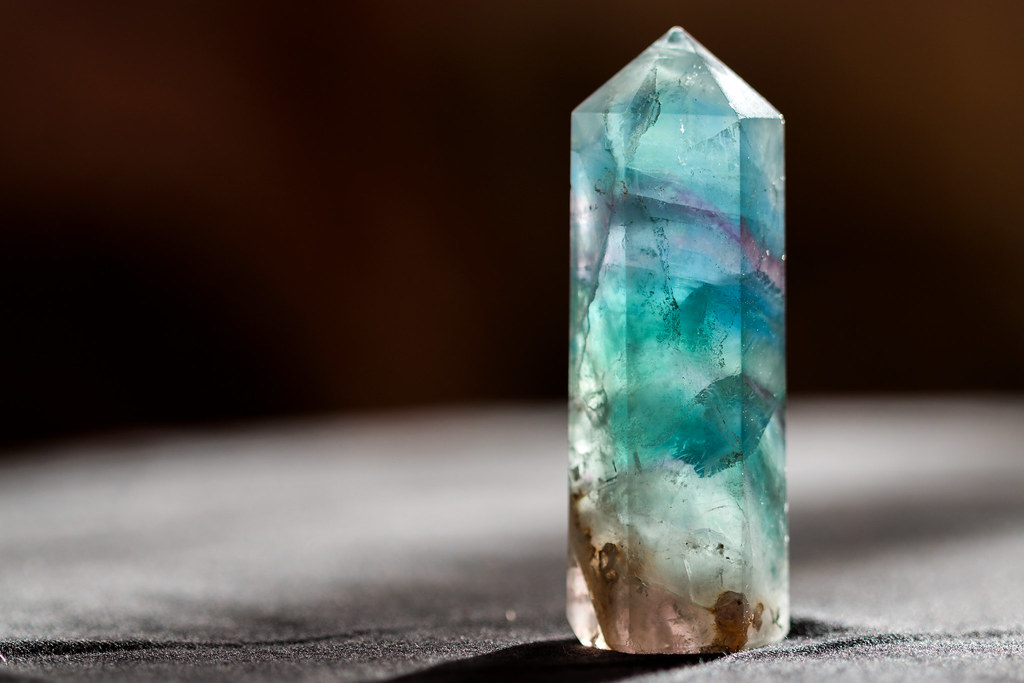
If you buy one focus crystal, make it fluorite. Nicknamed the Genius Stone, it is traditionally used to sort mental clutter into order — the stone people reach for when there is a lot to learn and not much time. Keep a piece of green fluorite beside your notes; green and purple fluorite are the varieties most associated with clear thinking.
2. Sodalite — Logic And Clear Thought
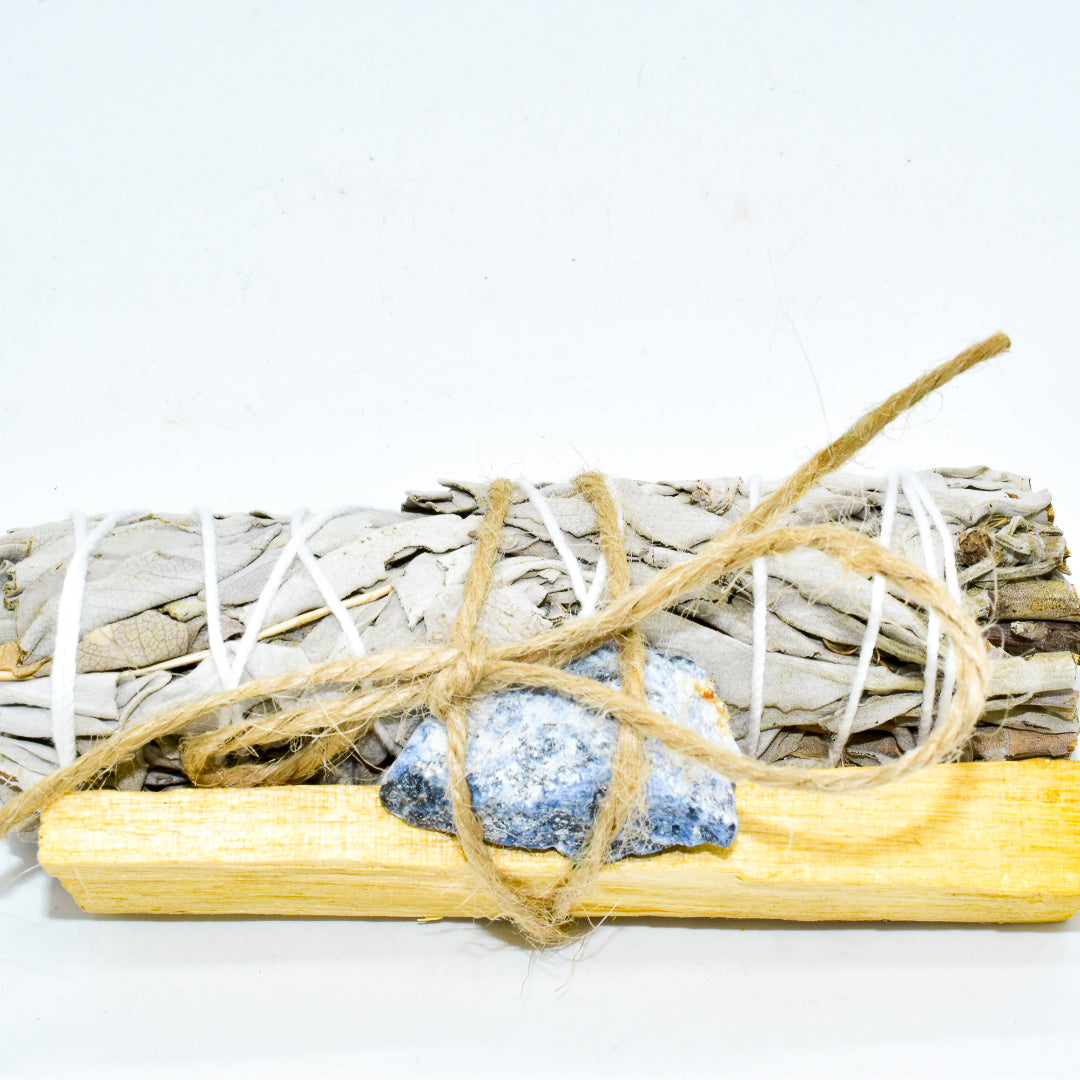
Deep blue sodalite is linked to the throat and third eye chakras and is said to support rational thought, objectivity and articulate communication. A traditional choice before an exam, a presentation, or any task that needs you to explain something clearly rather than just absorb it.
3. Tiger’s Eye — Willpower At Work
Tiger’s eye is the classic work stone: grounding and ambitious at once. It is believed to steady the nerve needed for hard decisions and long projects. Keep it where your hand naturally rests while you think.

4. Pyrite — Momentum
Pyrite’s job in a focus lineup is starting, not sustaining. Its metallic shine is traditionally tied to drive and confidence, which makes it the stone for the first ten minutes of a task you have been avoiding for three days.
5. Hematite — Grounding A Scattered Mind
Heavy, mirror-dark and satisfying to hold, hematite is associated with the root chakra and is used to bring a racing mind back into the body. Traditionally recommended for anxious distraction — the kind where you cannot settle rather than the kind where you are bored.

6. Citrine — Bright, Motivated Attention
Citrine is said to lift mood and optimism, and focus is much easier when the task does not feel like a punishment. A good desk stone for creative work and anything requiring sustained enthusiasm.
7. Smoky Quartz — Filtering The Noise
Smoky quartz is traditionally the stone of removing what is in the way. Where fluorite organises, smoky quartz is believed to absorb the low-grade static — worry, other people’s urgency, the pull of your phone — that makes focus feel out of reach.
8. Clear Quartz — Overall Mental Clarity
Clear quartz is the amplifier. Programmed with a simple intention — “this hour, this task” — it is used to reinforce whatever the other stones are doing. A single point is enough.
9. Amazonite — Calm Concentration
Soft turquoise amazonite is often called the stone of courage and truth, and it is associated with a settled, unhurried kind of attention. A gentle option for people who find pyrite and citrine too stimulating.
Which Focus Crystal For Which Situation?
- Studying or revising: fluorite, sodalite, hematite — see crystals for studying and exams.
- Deep work at your desk: tiger’s eye, pyrite, clear quartz — more ideas in crystals for your workspace.
- Anxious, racing distraction: hematite, smoky quartz, amazonite.
- Low motivation and procrastination: pyrite, citrine, carnelian.
- Creative work: citrine, fluorite, carnelian.
- Meetings and speaking clearly: sodalite plus throat chakra stones.
A 25-Minute Focus Ritual
This pairs a crystal cue with a timed work block, which is where the practice earns its keep.
- Clear the desk to one task. Phone out of the room, one tab, one document.
- Hold your stone in your non-writing hand for three slow breaths.
- Say the block out loud: “Twenty-five minutes on this one thing.”
- Set the stone at the top of your desk, in your line of sight, and start a 25-minute timer.
- When your attention drifts, touch the stone instead of switching tasks. That gesture is the whole technique.
- At the timer, stand up, drink water, and take five minutes off before the next block.
If you want a longer setup, a small grid of fluorite, hematite and clear quartz at the back of the desk works well — our crystal grid guide explains the layout, and intention setting with crystals covers how to program a stone.

How To Wear And Place Focus Crystals
- On the desk: top edge, visible, not under paperwork. Visibility is the point.
- In a pocket: a tumbled hematite or tiger’s eye you can reach for during meetings.
- As jewellery: a bracelet keeps the stone in your field of view while you type.
- In a study bag: small fluorite and sodalite pieces in a pouch so revision has a portable ritual.
- Not in the bedroom: pyrite and citrine are traditionally considered too active for a nightstand.
Cleansing Your Focus Crystals
Desk stones get handled constantly, so most traditions suggest cleansing them every few weeks. Fluorite is soft (Mohs 4) and should not be soaked or scrubbed; hematite and pyrite should stay dry to avoid rust; tiger’s eye, sodalite and quartz tolerate a brief rinse. Smoke, sound, or a night on a selenite plate suit everything. Details in how to cleanse your crystals and cleansing crystals without palo santo.
Building A Focus Routine That Lasts
Crystals work best inside a routine, and routines survive on repetition rather than intensity. A week of the same 25-minute block at the same time of day does more for concentration than one heroic five-hour session.
- Same place, same stone. Context is a powerful cue. Sit in the same seat with the same crystal and your brain learns what that combination means.
- Two blocks, not eight. Most people have two genuinely sharp hours a day. Protect those and stop pretending the rest is deep work.
- Write the task, not the topic. “Draft the intro paragraph” is focusable. “Work on the report” is not.
- Park distractions on paper. Keep a scrap sheet beside the crystal and dump every stray thought onto it instead of chasing it.
- Close the block deliberately. Touch the stone, note what you finished, then leave the desk. The ending matters as much as the start.
After a fortnight, review honestly: which stone did you actually reach for, and at what time of day did the blocks work? Keep what earned its place. If motivation rather than attention is the real gap, crystals for confidence and crystals for career success are the more useful reads.
When It Is Not The Crystal
It is worth saying plainly: persistent inability to concentrate is often physical. Short or broken sleep, low iron, thyroid problems, unmanaged anxiety or depression, and ADHD all present as “I cannot focus,” and all of them respond to proper care rather than a stone.
Crystal practice can sit comfortably alongside that care as a calming ritual — see calming crystals for anxiety and crystals for sleep — but if focus has been slipping for months, book the appointment first.
Frequently Asked Questions
What is the best crystal for focus and concentration?
Fluorite is the traditional first choice, which is why it earned the nickname Genius Stone. For work rather than study, tiger’s eye is the more common pick, and hematite is preferred when distraction comes from anxiety.
Which crystal helps with ADHD?
No crystal treats ADHD, and none should replace assessment or medication. Some people with ADHD do find a grounding stone such as hematite or smoky quartz a helpful fidget-and-cue object alongside proper support.
Where should I put crystals for studying?
On the desk within sight, and in a pouch in your bag so the same stones travel to the library. See crystals for studying and exams for exam-day specifics.
Can I combine several focus crystals?
Yes, and pairing is common practice: one organising stone (fluorite or sodalite), one grounding stone (hematite or smoky quartz), and optionally clear quartz to amplify. More than three or four tends to become decoration rather than practice.
Do focus crystals need to be cleansed often?
Every two to four weeks is a reasonable rhythm for stones you handle daily, or any time your work changes direction and you want to re-set the intention.
Is there scientific evidence that crystals improve focus?
No. There is no scientific evidence that crystals affect concentration directly. The plausible benefit is behavioural: a physical object tied to a ritual makes it easier to start and to notice when you have drifted.
How long does it take to notice a difference?
Most people describe the shift as immediate but small — the stone makes it easier to begin. Whether it holds depends on repeating the same ritual for a couple of weeks until the cue sticks.
Which crystals should I avoid for focus?
Nothing is harmful, but very soothing stones such as amethyst and howlite can feel sleepy at a desk. Save those for evening wind-down and keep the brighter, grounding stones for work hours.
Bringing It Together
Fluorite to organise, sodalite for clear thought, tiger’s eye and pyrite for drive, hematite and smoky quartz to ground, citrine to keep the work pleasant, clear quartz to tie it together. Pick two, put them where you will see them, and attach them to a timed work block. If you are new to all of this, start with crystals for beginners and how to use healing crystals, and see where to buy healing crystals when you are ready to choose stones.
This article is for informational and spiritual purposes only. Crystal healing is a traditional and spiritual practice, not a medical treatment. If concentration problems are persistent or affecting your work or study, please speak to a doctor — conditions such as ADHD, thyroid issues, anaemia and sleep disorders are all treatable.