
With its gleaming brassy cubes and metallic shine, pyrite is impossible to ignore. Nicknamed “fool’s gold”, it has fooled prospectors for centuries — but in crystal tradition it is anything but foolish. Pyrite is one of the most popular stones for abundance, confidence and protection. Here is everything you need to know about pyrite meaning, its properties, history and how to use it.

What Is Pyrite?
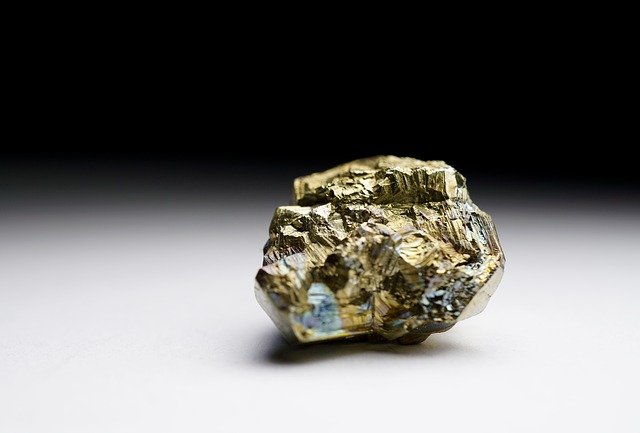
Pyrite is iron sulfide (FeS2), the most common sulfide mineral on Earth. Its name comes from the Greek pyr, meaning fire, because striking it against steel or flint throws sparks — a property early humans used to light fires. Pyrite often grows in astonishingly perfect cubes, as well as in octahedrons, “suns” (flat pyrite dollars) and glittering clusters.
- Composition: iron sulfide
- Colour: pale brass-yellow, metallic
- Hardness: 6–6.5
- Chakra: solar plexus
- Zodiac: Leo and Aries are most often linked
- Element: fire and earth
- Major sources: Spain (famous cubes from Navajún), Peru, Italy, the USA
Why Is Pyrite Called Fool’s Gold?
During gold rushes, inexperienced prospectors mistook pyrite’s shine for real gold. The difference is easy once you know it: gold is soft, malleable and leaves a yellow streak, while pyrite is hard and brittle and leaves a greenish-black streak on unglazed porcelain. Gold also never forms sharp cubes. Interestingly, pyrite does sometimes contain tiny amounts of real gold, and it was historically mined for sulfur and iron.
Pyrite Meaning and History
Pyrite has a long human history. Fragments have been found at prehistoric sites, likely used as fire starters. The Inca polished large slabs of pyrite into mirrors, and some Native American traditions are said to have used it for divination and as a protective charm. In Victorian England pyrite was cut and set in jewellery under the name “marcasite” (technically a different mineral with the same chemistry).
In modern crystal practice, pyrite’s golden colour and connection to fire have made it a symbol of abundance, willpower and protection. It is often called a “stone of luck” and is a staple in prosperity rituals.
Pyrite Healing Properties (Traditional Beliefs)
Abundance and prosperity
Pyrite is perhaps the most famous money crystal after citrine. It is said to attract opportunity and help you stay alert to it. Many people keep a pyrite cube by the cash register or in a wallet. See our full guide to crystals for wealth and prosperity for a complete money grid.
Confidence and willpower
Linked to the solar plexus chakra — the centre of personal power — pyrite is believed to boost self-belief, motivation and decisiveness. It is a favourite for anyone who procrastinates or struggles to back themselves. Pair it with other confidence crystals.
Protection
Pyrite’s reflective surface has long been associated with deflecting negativity, much like a mirror. Practitioners describe it as an energetic shield, which is why it appears in many protection crystal lists.
Focus and ambition at work
Because of its practical, energising reputation, pyrite is popular on desks and in offices. It fits naturally into the crystals in our guide to crystals for career success.
How to Use Pyrite
- On your desk. A pyrite cube or cluster on your workspace is said to keep energy focused and productive.
- In your wallet or purse. A small tumbled piece is a classic prosperity charm.
- In the wealth corner. In feng shui-inspired practice, the far-left corner of a room (from the doorway) is linked to wealth — a natural spot for pyrite.
- In a crystal grid. Pyrite anchors abundance and manifestation grids. Learn how in our crystal grid guide.
- During goal-setting. Hold pyrite while you write down intentions, then keep it on top of the page. See also crystals for good luck.

Crystals That Pair Well With Pyrite
- Citrine — the classic abundance duo; see citrine meaning.
- Tiger’s eye — grounded confidence; see tiger’s eye meaning.
- Carnelian — motivation and courage; see carnelian meaning.
- Clear quartz — amplifies intentions.
- Smoky quartz — balances pyrite’s fire with grounding; see smoky quartz.
Pyrite in Feng Shui
In feng shui-inspired décor, pyrite is one of the most common “wealth” objects. Practitioners suggest placing it in the southeast area of a home or office (the traditional wealth sector of the bagua map), facing the entrance of a business, or on a desk within sight. Because pyrite reflects light, it is also said to keep energy moving in corners that feel dark or stagnant. A simple, attractive approach is one good cluster in a well-lit spot rather than many small pieces scattered around.
Pyrite and the Zodiac
Pyrite’s golden, fiery character is most often linked to Leo, ruled by the Sun, and to Aries, the initiator of the zodiac. Its practical, prosperity-focused energy also appeals to earth signs who want to turn plans into results.
Caring for Pyrite: Keep It Dry
This is the most important practical tip. Pyrite should not be cleansed in water or salt. Moisture and humidity can cause it to oxidise, producing a dull film, rust-coloured stains or, in some specimens, “pyrite decay” that releases sulfuric acid and crumbles the stone. Store it somewhere dry, wipe it with a soft dry cloth, and cleanse it with moonlight, sound, smoke or selenite instead. Our guide on how to cleanse crystals covers these options.
A small silica gel packet in your crystal box helps keep humidity down. Pyrite is generally safe to handle, but wash your hands after handling raw or crumbling pieces, and never use it to make crystal elixirs or drinking water.

How to Tell Real Pyrite
- Real pyrite is heavy and cold for its size.
- It is hard enough to scratch glass (gold is not).
- It leaves a greenish-black streak on an unglazed tile.
- Natural cubes have fine parallel lines (striations) on their faces.
- Very cheap, uniformly bright “pyrite” beads may be plated hematite or another material — buy from sellers with good reviews, such as this raw pyrite cluster selection.
A Simple Pyrite Abundance Ritual
Try this on a new moon, traditionally a time for beginnings and setting intentions:
- Cleanse your pyrite with smoke, sound or a selenite plate (never water).
- Write one specific, realistic financial or career goal on a piece of paper — for example, “I will apply for three roles that excite me this month.”
- Hold the pyrite over your solar plexus, just above the navel, and take a few slow breaths while picturing yourself completing the goal.
- Fold the paper and place the pyrite on top of it in your workspace.
- Each time you see it, take one small concrete action toward the goal. Revisit and rewrite your intention on the next new moon.
The point is not that a stone delivers money; it is that a visible reminder keeps your goals front of mind and your actions consistent. That is where real abundance usually comes from.
Pyrite Shapes and What They Are Used For
- Cubes — prized for their natural geometry; often placed on desks for structure and focus.
- Clusters — sparkling statement pieces for shelves and altars, said to radiate energy through a room.
- Pyrite suns (dollars) — flat radiating discs from Illinois coal seams, popular as meditation pieces.
- Tumbled stones — affordable, pocket-friendly and ideal for wallets and grids.
- Pyrite in quartz or on matrix — collector specimens that combine pyrite’s energy with the stone it grew on.
Whatever shape you choose, pick the piece that you are drawn to. Many collectors start with a single small cube and are hooked by its almost machine-made perfection — a reminder that nature is a remarkable designer.
Pyrite FAQ
What is pyrite good for spiritually?
Pyrite is traditionally associated with abundance, confidence, willpower and protection, and is linked to the solar plexus chakra.
Can pyrite get wet?
No. Water and humidity can cause pyrite to tarnish, rust or decay. Keep it dry.
Where should I put pyrite in my home?
On your desk, near the front door for protection, or in the far-left “wealth corner” of a room. Avoid bathrooms and other humid spaces.
Can I sleep with pyrite?
Some people find pyrite too energising for the bedroom. If you want a calmer night, try the stones in our crystals for sleep guide instead.
Is pyrite worth anything?
Most pyrite is affordable, but exceptional specimens — such as perfect Spanish cubes on matrix — can be valuable to mineral collectors.
What is the difference between pyrite and marcasite?
Both are iron sulfide, but they crystallise differently. Marcasite is paler, more brittle and decays more readily. Confusingly, the “marcasite” used in vintage jewellery is almost always pyrite.
What chakra is pyrite?
Pyrite is most strongly associated with the solar plexus chakra, the centre of confidence and personal power. Some practitioners also use it at the root chakra for grounding.
Can pyrite be in sunlight?
Brief sunlight is fine and will not fade it, but avoid hot, humid windowsills, which can encourage oxidation over time.
How do I clean a dull pyrite?
Wipe it with a dry, soft cloth or a soft brush. For stubborn dust, a quick blast of compressed air works well. Avoid water, vinegar and jewellery cleaners.
Is pyrite good for beginners?
Yes. It is affordable, durable when kept dry and has a clear, easy-to-understand intention — abundance and confidence — which makes it a great first crystal alongside the stones in our crystals for beginners guide.
This article shares traditional and spiritual beliefs about crystals. It is not medical advice, and crystals are not a substitute for professional care from a doctor or mental health practitioner.