
What is the luckiest crystal? Ask ten crystal lovers and you will get ten answers — because luck is not one thing. Luck in love feels different from luck at work, and the stone you reach for changes with it. This guide is about luck itself: the lucky-charm tradition, the stones that carry it, and how people actually work with them day to day.
If your focus is specifically money — savings, business, cash flow — we have a separate, deeper guide to crystals for wealth and prosperity. Come back here for everyday good fortune, opportunity and the sense that things are falling your way.

Good luck crystals at a glance
- Citrine — the classic sunny stone of opportunity and optimism
- Pyrite — bold luck, confidence, saying yes to the chance in front of you
- Green aventurine — often called the Stone of Opportunity; luck in new ventures
- Jade — the oldest luck stone in continuous use, especially in Chinese tradition
- Tiger’s eye — courage and good timing; the lucky risk rather than the reckless one
- Garnet — a traveller’s and protector’s stone; luck that keeps you safe
- Amazonite — luck in conversations, negotiations and asking for what you want
- Malachite — the stone of transformation; luck that arrives as change
- Rose quartz — luck in love and friendship
- Clear quartz — the amplifier; pair it with any of the above
A quick word before we begin: crystals are a tradition, not a mechanism. Nothing here changes the odds of a lottery draw or a job application. What a lucky stone in your pocket can do is remind you, several times a day, of the intention you set — and people who keep noticing opportunities tend to take more of them. That is the honest version of crystal luck, and it is still a lovely thing to carry.
Why humans carry lucky objects at all
Every culture has a luck object. The four-leaf clover in Ireland, the maneki-neko beckoning cat in Japan, the horseshoe over an English doorway, the hamsa hand across North Africa and the Middle East, the elephant with a raised trunk in India. Crystals belong to the same long family. Egyptians were buried with carnelian and turquoise amulets; Roman soldiers carried carved stones into battle; Chinese families have passed jade pendants down the generations for millennia.
The pattern is always the same: a small object you can touch, carrying a wish you have made explicit. Modern crystal practice is a continuation of that habit, not an invention of the 1970s.
The 10 best crystals for good luck
1. Citrine — the stone of sunny opportunity

Citrine is the stone most often handed to someone who says they need a lucky break. It is a golden-to-amber variety of quartz, coloured by traces of iron, and its reputation is built on warmth: optimism, confidence, and the willingness to put yourself forward. Traditionally it was called the Lucky Merchant’s Stone because shopkeepers kept a piece near the till.
How people use it: a tumbled citrine piece in a coat pocket, a point on a desk facing you, or a cluster by the front door so you touch it on the way out. Read more in our full citrine meaning and healing properties guide. Note that much commercial “citrine” is heat-treated amethyst — not a scam exactly, but worth knowing.
2. Pyrite — luck for the bold
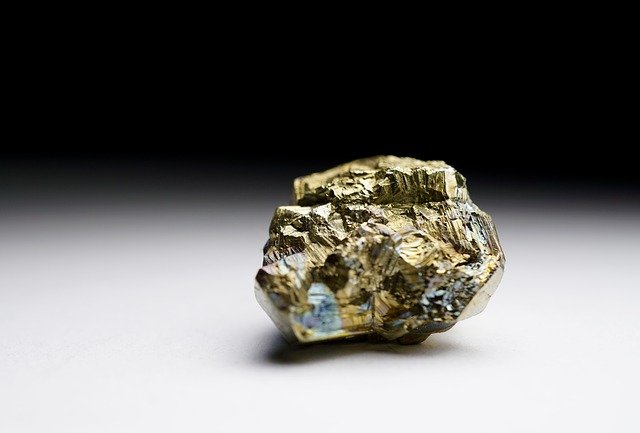
Pyrite grows in astonishing metallic cubes and has been nicknamed fool’s gold for centuries, because prospectors mistook its glitter for the real thing. In crystal tradition it is the stone of nerve: the one you hold when the lucky opportunity has already appeared and the only thing missing is you saying yes.
Keep pyrite dry — it contains iron sulphide and will rust and crumble if it sits in water or damp air. Never make gem water with it.
3. Green aventurine — the Stone of Opportunity

If one stone has earned the nickname “the gambler’s stone”, it is green aventurine. It is a quartz flecked with fuchsite mica, which gives it that soft shimmer. It is said to be the stone of favourable outcomes: new jobs, new cities, first dates, first pitches. Our full green aventurine guide covers its heart-chakra side too.
4. Jade — the oldest luck stone of all

Jade has been carved for more than 5,000 years, from Neolithic China to Māori pounamu in New Zealand and Olmec jade in Mesoamerica. In Chinese tradition it represents virtue, longevity and good fortune together — luck earned rather than won. A jade pendant given by a family member is still one of the most common luck objects on earth.
Two minerals are sold as jade: jadeite (rarer, harder) and nephrite (more common). Much cheap “jade” is dyed serpentine or quartzite, so buy from a seller who names the mineral.
5. Tiger’s eye — lucky timing and nerve

The silky band of light that slides across tiger’s eye is called chatoyancy, and it is why the stone has always been linked to seeing clearly and being seen. It is said to give courage without recklessness — which is exactly the kind of luck that comes from good judgement. See our tiger’s eye meaning guide for more.
6. Garnet — the traveller’s lucky stone

Deep red garnet was carried by travellers and traders who believed it lit the way home and kept them from harm. It is the luck of safe arrival rather than sudden windfall — a natural companion to our crystals for travel list.
7. Amazonite — luck in the conversation
So much of what we call luck is really a conversation that went well. Amazonite, a blue-green feldspar, is traditionally the stone of honest, calm speech: interviews, negotiations, the awkward ask. Details in our amazonite meaning guide.
8. Malachite — luck that arrives as change
Malachite’s banded green is unmistakable, and its traditional role is transformation: it is said to push stuck situations loose. Handle polished pieces only, keep it out of water, and read the safety notes in our malachite guide first.
9. Rose quartz — luck in love and friendship
Not every kind of luck is about money. Rose quartz is the gentlest stone on this list and the one most associated with warm connection — new friendships, second chances, kindness returned. Pair it with our crystals for love guide.
10. Clear quartz — the amplifier
Clear quartz does not have a luck story of its own. It is the stone traditionally said to strengthen whatever it sits beside, which is why it turns up in nearly every grid. Our clear quartz master healer guide explains the family.
Which lucky crystal should you choose?
- A new job or a new city — green aventurine, citrine
- An interview or a pitch — amazonite, tiger’s eye
- A first date — rose quartz, moonstone
- A long trip — garnet, black tourmaline
- A decision you keep avoiding — pyrite, malachite
- A run of bad news — jade, clear quartz, and rest
- Money specifically — see our wealth and prosperity guide
How to actually work with a lucky crystal
- Pick one stone, not seven. A single stone you touch daily beats a drawer full you forget about.
- Cleanse it first. Running water for water-safe stones, or smoke, sound or moonlight for the soft ones — our crystal cleansing guide has the method for each.
- Say the wish out loud, once, and be specific. “I want good luck” is vague. “I want this application to land” gives you something to act on.
- Carry it where your hand goes. Coat pocket, wallet, keyring pouch, bra strap, laptop bag.
- Touch it when you notice the wish. That is the whole practice. The stone becomes a cue.
- Take the action the luck asks for. Send the message, buy the ticket, make the call. Luck needs a door left open.

A five-minute lucky charm ritual
Do this on a new moon, the first of the month, or the night before something that matters. Sit somewhere quiet with your stone, a small candle if you like one, and no phone.
- Hold the stone in both hands and take five slow breaths until your shoulders drop.
- Name the situation plainly — what you hope happens, and by when.
- Name one thing you will do about it this week.
- Press the stone to your chest for a moment, then put it in the pocket you use most.
- Say thank you and blow the candle out. That is it.
Where to put luck stones in your home
- By the front door — citrine or jade, touched on the way out
- On your desk — pyrite or tiger’s eye, in your eyeline
- In your car — garnet or black tourmaline, tucked out of the sun (see crystals for protection)
- Beside your bed — rose quartz for warmth, amethyst for rest
- In a grid on a windowsill — four lucky stones around a clear quartz point, described in our manifesting crystals guide
Caring for your lucky stones
A stone you carry every day picks up pocket dust and knocks. Rinse water-safe stones (quartz family, jade, garnet, tiger’s eye) under cool running water and dry them properly. Keep pyrite, malachite and amazonite away from water entirely. Charge anything you like under the full moon, and store soft stones separately so harder ones do not scratch them. If you are new to all of this, start with our crystals for beginners guide.
Frequently asked questions about crystals for good luck
What is the luckiest crystal?
There is no single answer, but citrine and green aventurine are the two most consistently named across modern crystal traditions, and jade is the oldest. Choose by the kind of luck you want rather than by reputation.
Can crystals really bring good luck?
There is no scientific evidence that a crystal changes external events, and anyone promising otherwise is overselling. What a lucky stone does reliably is keep an intention present in your day, which tends to change how much you notice and how often you act.
Should I carry my lucky crystal or leave it at home?
Carry it. Traditions around luck objects are almost always about contact — a charm in the pocket, a pendant against the skin. A stone in a cupboard is just a pretty rock.
How many lucky crystals can I carry at once?
Two or three at most, and ideally with different jobs — one for opportunity, one for courage, one for protection. Beyond that most people stop noticing any of them.
Do lucky crystals need to be cleansed?
Yes, especially ones you handle daily. Once a month is plenty for most people, or after any week that felt heavy. Citrine and clear quartz are often said to need it less, but a rinse never hurts them.
Is it bad luck to buy your own lucky stone?
No. That superstition attaches to certain gifts in certain cultures, not to crystals generally. Buying your own stone and choosing it deliberately is the most common way people begin.
What is the difference between a luck crystal and a money crystal?
Overlap is real — citrine and pyrite appear on both lists — but luck work is broad and opportunity-shaped, while money work is specific and practical: wallets, tills, budgets, business. For that side, read the best crystals for wealth and prosperity.
Which crystal is lucky for my star sign?
Every sign has its traditional stones — browse our zodiac guides, for example crystals for Leo, crystals for Sagittarius or crystals for Libra.
A last honest word on luck
The people who seem luckiest are usually the ones who ask more often, apply more often and stay open longer. A crystal cannot do that for you, but it can sit in your pocket as a small daily reminder that you decided to try. That is a good reason to carry one.
Crystal healing is a spiritual and cultural tradition, not a medical or financial treatment. Nothing here is medical or financial advice, and crystals are not a substitute for professional care or planning. Curious where to buy? See our guide to where to buy healing crystals. As an Amazon Associate we may earn from qualifying purchases.