
Warm, brick-red and reassuringly solid in the hand, red jasper has been carved, carried and treasured for thousands of years. It isn’t flashy like amethyst or glittering like pyrite — and that is precisely its appeal. In crystal traditions red jasper is the “stone of endurance,” a steady companion for people who need stamina, grounding and a little more courage to keep going.
This guide covers red jasper’s meaning, what it actually is geologically, its history, the healing properties it is traditionally associated with, chakra and zodiac links, how to use and care for it, and how to tell the real thing from a dyed imitation. If you’re new to crystals, our beginner’s guide is a good companion read.
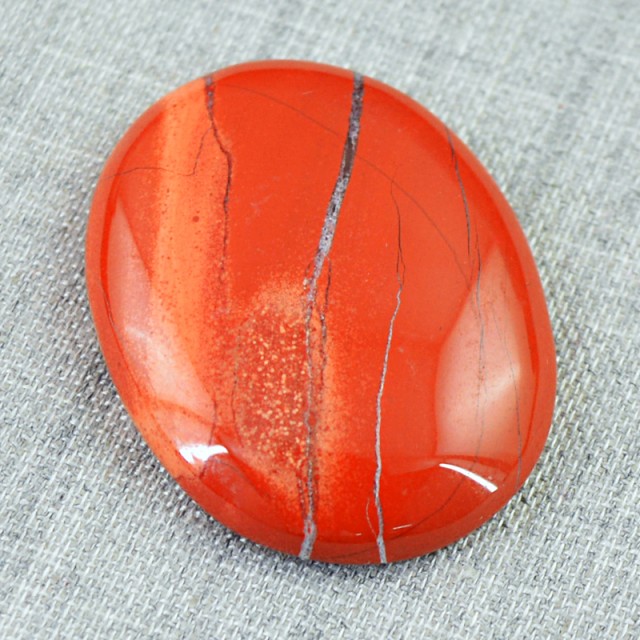
Red Jasper at a Glance
- Mineral family: microcrystalline quartz (chalcedony), coloured by iron oxide
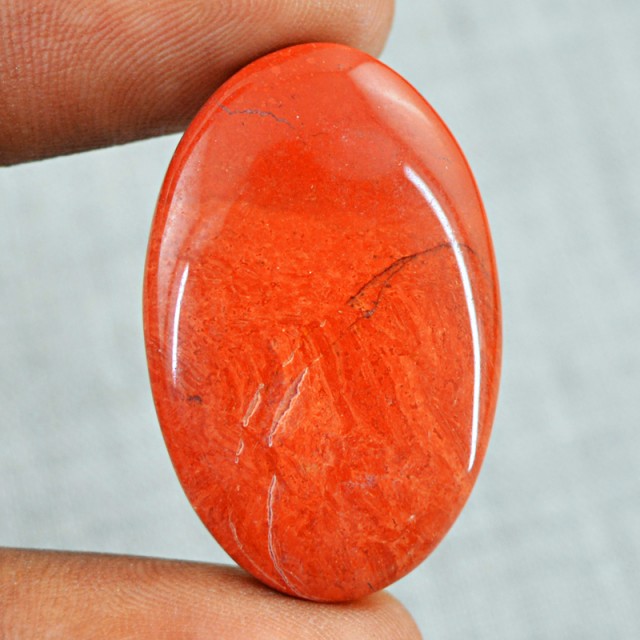
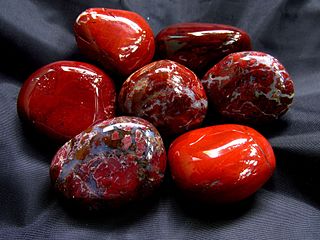
- Colour: brick red to rust, sometimes with darker veins or bands
- Hardness: 6.5–7 on the Mohs scale
- Chakra: root, with links to the sacral chakra
- Zodiac: Aries, Scorpio, Taurus (traditional associations)
- Key themes: endurance, grounding, stamina, courage, stability
- Water safe? Brief rinses are fine; avoid long soaks
What Is Red Jasper?
Jasper is an opaque, fine-grained variety of quartz. Unlike translucent chalcedony, it contains a high proportion of other minerals — often up to 20 percent — which gives it solid, earthy colour. In red jasper the colouring agent is hematite, the same iron oxide that gives rust and red soil their colour. That shared chemistry is one reason red jasper and hematite are so often paired in grounding practices.
Red jasper forms when silica-rich fluids seep into sediment or volcanic ash and slowly harden. It is found worldwide, with notable deposits in India, Brazil, South Africa, Madagascar, Russia and the United States. Because it is common and tough, it is one of the most affordable and durable stones a collector can own.
History and Folklore of Red Jasper
The word jasper comes via Old French and Latin from the Greek iaspis, and ultimately from Semitic roots, which shows how long the stone has travelled through human hands. Jasper appears among the twelve stones of the High Priest’s breastplate described in the Book of Exodus, and it is listed among the foundation stones of the New Jerusalem in the Book of Revelation.
In ancient Egypt, red jasper was carved into the tyet amulet, the “knot of Isis,” which was placed with the dead for protection. Babylonian and Assyrian cylinder seals were cut from jasper, and in medieval Europe it was carried by travellers and soldiers as a talisman of courage and safe return. These are folklore and cultural traditions rather than proven effects, but they help explain why the stone still feels protective to so many people.
Red Jasper Meaning and Healing Properties
In modern crystal practice red jasper is said to work slowly and steadily rather than with sudden intensity. These are the themes it is most associated with.
Endurance and stamina
Red jasper’s best-known nickname is the stone of endurance. People carry it during long projects, demanding jobs, exam seasons or training blocks as a reminder to pace themselves and keep going.
Grounding and stability
Like black tourmaline and smoky quartz, red jasper is believed to anchor scattered energy. Its warm colour makes it feel more energising than other grounding stones — grounded, but not sleepy.
Courage and motivation
Red has long been associated with action and vitality. Red jasper is said to support the courage to start something difficult, which is why it often sits alongside carnelian and tiger’s eye in confidence practices.
Emotional steadiness
Rather than lifting the mood quickly, red jasper is traditionally used to steady it — helpful for people who swing between bursts of motivation and burnout. Some keep it nearby during stressful weeks as a calm, tactile anchor.
Physical associations in tradition
Folk traditions link red jasper with circulation, vitality and recovery after illness. There is no scientific evidence that crystals affect physical health, so treat these as cultural associations only, and see a doctor for any physical concern.
Red Jasper and the Chakras
Red jasper is most closely linked with the root chakra at the base of the spine, associated with security, safety and belonging. Its orange-red tones also connect it to the sacral chakra, linked with creativity and passion. During a chakra meditation, place red jasper at the base of the spine or between the feet. See what order chakra stones go in if you are laying out a full set.
Red Jasper and the Zodiac
- Aries: red jasper is said to channel Aries fire into stamina, helping projects get finished rather than just started.
- Scorpio: traditionally linked with Scorpio for emotional steadiness and quiet resilience.
- Taurus: an earth-sign match for stability, patience and comfort.
How to Use Red Jasper
- Carry a tumbled stone in a pocket on long or demanding days as a tactile reminder to pace yourself.
- Wear it as a bracelet or pendant — its hardness makes it ideal for everyday jewellery.
- Place it at the base of your bed or under your feet while meditating to feel grounded.
- Keep it on your desk during long work stretches or study sessions.
- Add it to your gym bag or keep it nearby during training as a symbol of endurance.
- Use it in a grid as an anchoring stone at the base of a crystal grid.
- Hold it while journaling about what you need to feel secure — a smooth red jasper palm stone fits comfortably in the hand.
A 5-minute endurance ritual
- Hold a piece of red jasper in your non-dominant hand.
- Plant your feet flat on the floor and take five slow breaths.
- Name the task or season you need stamina for.
- Break it into the next single step you can take today, and say it out loud.
- Keep the stone with you until that step is done, then thank it and set it down.
Crystals That Pair Well With Red Jasper
- Hematite: same iron oxide, doubled grounding.
- Carnelian: adds creative fire and motivation.
- Tiger’s eye: courage plus clear decision-making.
- Black obsidian: protection and shadow work.
- Clear quartz: said to amplify red jasper’s steady energy.
- Rose quartz: softens red jasper’s drive with self-compassion.

Red Jasper vs Carnelian vs Red Agate
These three are often confused. Carnelian is translucent — hold it to a light and the glow comes through. Red agate is also translucent but usually shows bands. Red jasper is fully opaque, with a matte, earthy depth even when polished. All three are quartz family stones, but in crystal practice carnelian is “fire and creativity,” while red jasper is “slow-burning endurance.”
How to Spot Fake or Dyed Red Jasper
- Colour too even or too bright: natural red jasper has subtle variation, veins or small spots. Uniform cherry red can indicate dye.
- Colour in cracks: dye pools in fractures, leaving darker lines.
- Cotton-swab test: wipe with a little acetone on a cotton bud; if colour transfers, it is dyed.
- Weight and temperature: real jasper feels cool and dense. Plastic or resin feels warm and light.
- Price: red jasper is inexpensive, so fakes are less common than with rarer stones, but dyed howlite and reconstituted stone do turn up.
Buying from a seller with plenty of reviews and clear photos helps. A natural red jasper bead bracelet is one of the easiest ways to start wearing the stone daily.
Caring for and Cleansing Red Jasper
At 6.5–7 on the Mohs scale, red jasper is tough and suits everyday wear. A quick rinse under lukewarm water is fine, but avoid long soaks and salt water, which can affect polish and any matrix. It is sun-safe and keeps its colour well. Cleanse it with smoke, sound, moonlight or by resting it on selenite; our guide to how to cleanse crystals covers each method.
Frequently Asked Questions
What is red jasper good for?
In crystal traditions red jasper is used for endurance, grounding, courage and emotional steadiness. It is a favourite for long projects and demanding seasons.
Can red jasper go in water?
A short rinse is fine. Avoid extended soaking and salt water to protect the polish.
Where should I put red jasper in my home?
Popular spots are near the front door for a sense of protection, beside the bed for grounding, or on a desk for stamina during work.
Who should wear red jasper?
Anyone who wants a steady, grounding stone. Traditionally it is associated with Aries, Scorpio and Taurus, and with people working on their root chakra. For calming anxiety, softer stones may suit better.
Is red jasper the same as carnelian?
No. Both are quartz-family stones, but carnelian is translucent and red jasper is opaque.
Can I sleep with red jasper?
Many people do for grounding, but some find its energising reputation keeps them alert. If so, try amethyst or howlite by the bed instead.
Is red jasper rare or expensive?
No — it is common and affordable, which makes it a great first stone.
Crystals are a complementary practice rooted in tradition and personal belief. They are not a substitute for professional medical or mental-health care. If you are struggling, please speak to a qualified professional.