
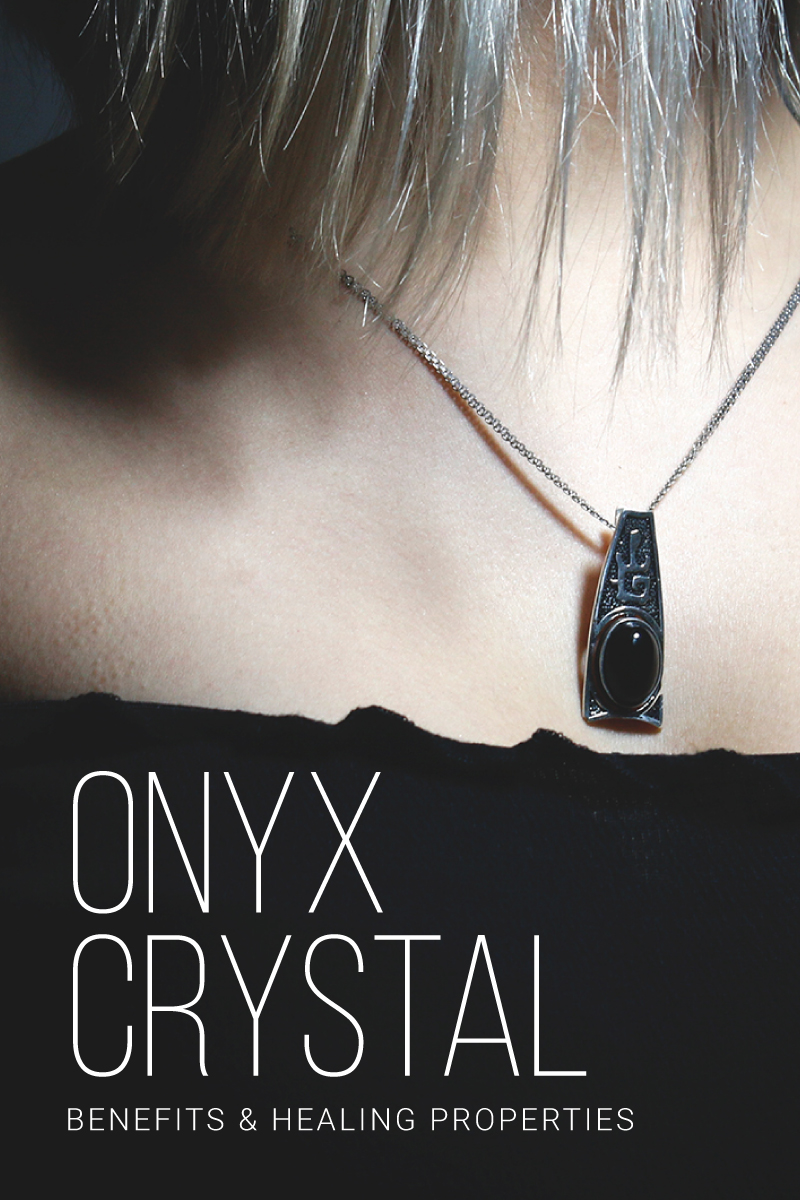
Onyx is the stone people reach for when they need to hold their ground. Most of us picture the glossy black variety, but onyx is a banded stone that comes in white, red, green and honey-brown too. In crystal-healing tradition it is known as a stone of steadiness — said to support motivation, focus and a sense of protection when life feels loud.
Below: what onyx actually is, the healing properties it is traditionally associated with, how to use it, which stones it pairs with, and how to care for it. If crystals are new to you, our beginner guide is a gentler starting point.
Onyx at a glance
- Mineral: a banded variety of chalcedony — microcrystalline quartz (SiO2)
- Hardness: 6.5–7 on the Mohs scale, sturdy enough for daily jewellery
- Colours: black (most common), white, red (sardonyx), green, brown
- Chakras: root primarily, with solar plexus for the golden and red types
- Said to support: motivation, focus, discipline, grounding, protection, grief
- Care: water-safe for short rinses; keep dyed pieces out of long sun exposure
What is onyx?
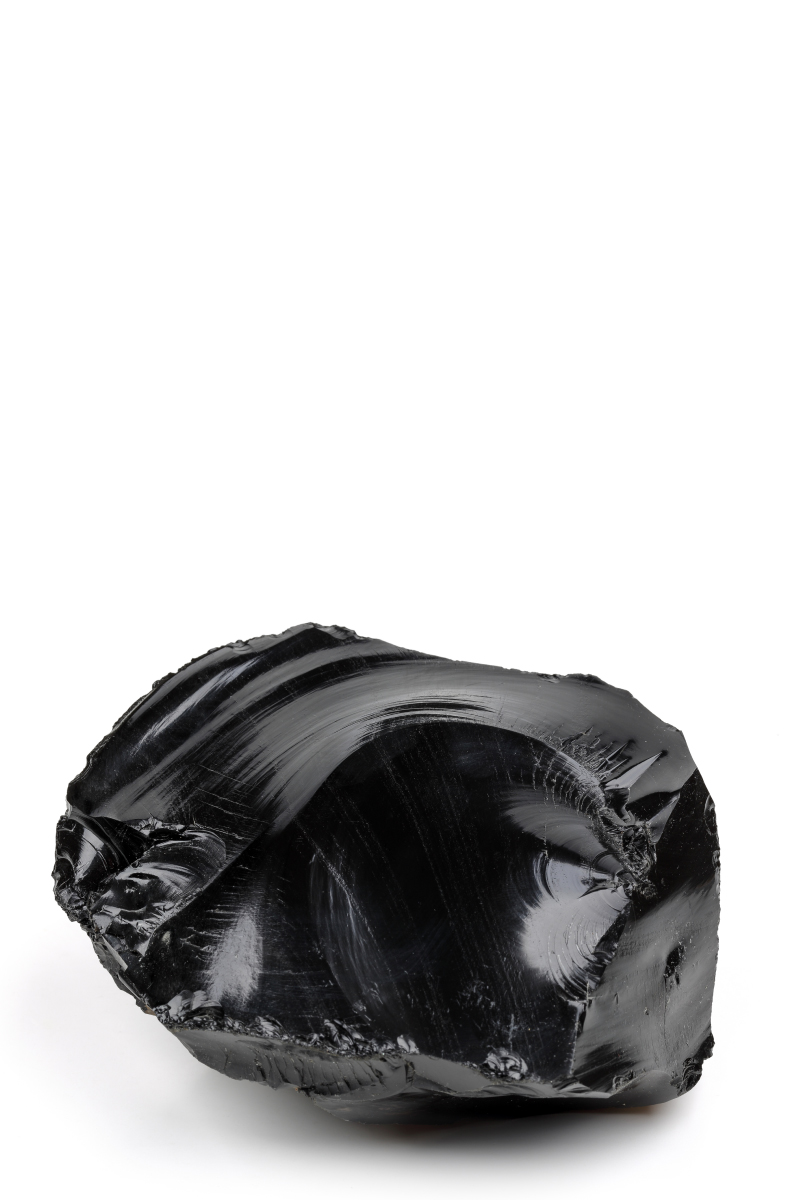
Geologically, onyx is chalcedony — quartz made of crystals too small to see — that formed in parallel bands inside cavities in volcanic rock. Those bands are why the Greeks and Romans prized it for cameos: a carver could cut through a pale layer to reveal a dark one underneath, creating a portrait in two tones.
The name comes from the Greek onyx, meaning fingernail or claw. One old story has Cupid clipping the divine fingernails of Venus while she slept; the clippings fell to earth and were turned to stone by the Fates. Sardonyx, the red-and-white banded form, was one of the most widely used seal stones of the ancient world and appears in both Roman signet rings and biblical lists of precious stones.
A note on honesty in the market: a large share of solid jet-black onyx sold today is grey chalcedony that has been dyed black — a treatment that has been standard for well over a century. It is still genuine chalcedony, just enhanced, and a good seller will say so.
Onyx crystal meanings and healing properties
Onyx has a reputation as the stone of the long haul. Where citrine is described as a spark, onyx is described as stamina — useful when the work is unglamorous and needs finishing anyway.
Motivation and discipline
Onyx is traditionally associated with follow-through: starting the boring task, keeping a promise to yourself, staying with a goal past the first burst of enthusiasm. Practitioners often keep a piece on the desk or in a pocket for exactly this. It sits well alongside our crystals for career success.
Focus and decision-making
Because it is described as quieting mental noise, onyx is commonly used when there are too many options and not enough clarity. Pair it with fluorite or sodalite from our crystals for focus guide, or use it while studying — see crystals for studying and exams.
Grounding and protection
As a dark root-chakra stone, onyx is a classic grounding companion, said to help you feel planted rather than scattered. It appears in most crystal protection sets alongside black tourmaline and obsidian.
Strength through grief and change
Onyx has a long association with mourning — Victorian jet and onyx jewellery was worn during periods of loss. In modern practice it is described as a stone that lets you carry something heavy without being flattened by it. Our guide to crystals for grief covers gentle ways to work with it.
Confidence and self-mastery
Onyx is often given to people who want to feel less reactive: to speak calmly rather than sharply, to hold a boundary without a fight. See also crystals for confidence.
These are traditional beliefs. Crystal healing has not been shown in clinical research to treat any physical or mental health condition, and it should sit alongside — never instead of — professional care.
Types of onyx and what each is used for
- Black onyx — the best-known type; grounding, protection, discipline.
- White onyx — pale and translucent; associated with clarity and fresh starts.
- Sardonyx (red-brown and white) — the ancient seal stone; linked to courage, vitality and clear speech.
- Green onyx — usually dyed; used for heart-centred calm and steady growth.
- Banded or honey onyx — the warm layered stone used in bowls and lamps; often actually banded calcite sold under the onyx name, which is much softer and definitely not water-safe.
If you like dark grounding stones, compare onyx with black obsidian, smoky quartz and black tourmaline — they are often confused but used quite differently.
Onyx and the chakras
Onyx is primarily a root chakra stone: the energy centre linked to safety, stability and being present in your body. When the root feels unsettled, tradition describes restlessness, worry about basics and difficulty committing.
- Root (black onyx): lie down and rest the stone at the base of the spine or between the feet for five to ten minutes.
- Solar plexus (sardonyx, honey onyx): placed just above the navel for willpower and self-trust — see lower chakra stone placement.
- Third eye (white onyx): occasionally used for mental clarity in the practice described in healing chakras with crystals.
How to use onyx
- Pocket stone for hard days. Carry a tumbled piece and hold it for three slow breaths whenever you notice yourself spiralling.
- Desk anchor. Keep onyx beside your screen as a physical reminder of the one task that matters today.
- Grounding lie-down. Ten minutes with a stone at the base of the spine; see meditating with crystals for a simple structure.
- Boundary grid. Four small pieces at the corners of a room, or at the corners of a desk — instructions in our crystal grid guide.
- Wear it. Onyx beads and signet-style rings are traditional, and at hardness 6.5–7 they hold up well.
- By the front door. A long-standing habit for anyone who wants to leave the day’s stress at the threshold.
Ready-made options: tumbled black onyx stones and black onyx bead bracelets.
Crystal pairings for onyx
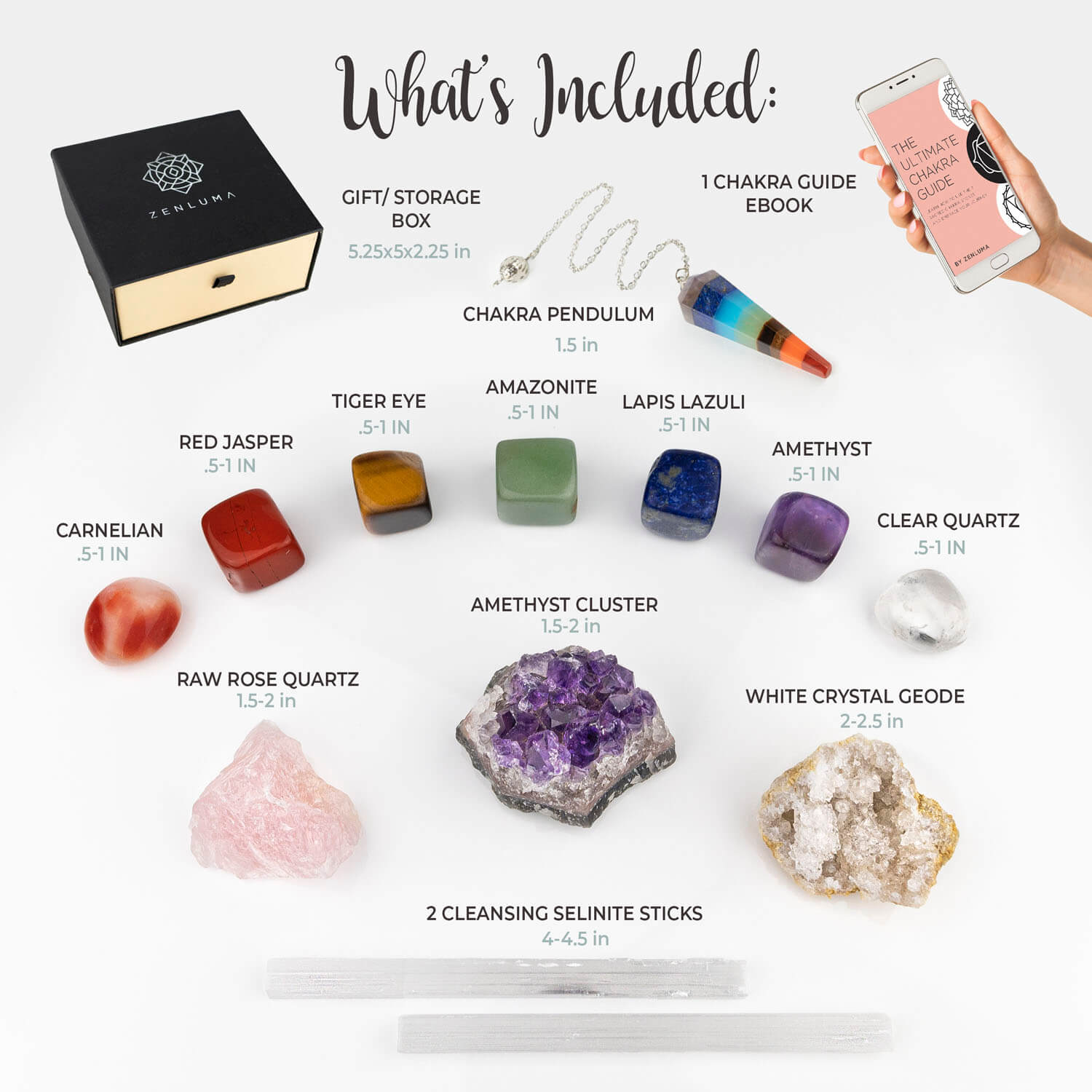
- Onyx + clear quartz: grounding plus amplification; the simplest pairing for intention work.
- Onyx + citrine: discipline with optimism, so persistence does not turn grim.
- Onyx + tiger’s eye: the classic combination for courage before something you have been avoiding.
- Onyx + rose quartz: strength softened with compassion — useful in grief.
- Onyx + amethyst: grounded calm for evenings and overthinking.
- Onyx + green aventurine: steady effort paired with openness to opportunity.
Cleansing and caring for onyx
Onyx is durable but often dyed, which is what shapes its care. Full options in how to cleanse your crystals.
- Water: a brief cool rinse is fine on polished chalcedony onyx. Do not soak dyed pieces, and never wet honey/banded calcite “onyx” carvings.
- Sunlight: keep it short. Prolonged sun can fade dyed black and green onyx.
- Moonlight: a good default — leave it on a windowsill overnight.
- Smoke: smudging or incense, ideal for jewellery.
- Selenite: rest onyx on a selenite plate overnight; no water involved.
- Avoid: salt water, ultrasonic cleaners, and knocks against harder stones.
Because onyx is used for absorbing pressure, many practitioners cleanse it weekly rather than monthly — particularly a piece that lives in a pocket.
How to spot low-quality or misdescribed onyx
- Ask about dye. Solid jet-black onyx is usually dyed. That is normal; a seller who denies it is worth avoiding.
- Check for a scratch test claim. Genuine chalcedony onyx will not scratch with a steel blade; softer calcite “onyx” will.
- Beware giant cheap carvings. Large, warm-banded bowls and lamps are typically calcite, not chalcedony.
- Watch for glass and resin. Perfectly bubble-free black beads that feel warm and light are usually glass or plastic.
See where to buy healing crystals for what a trustworthy listing looks like.

Frequently asked questions about onyx
What is black onyx good for?
In crystal tradition, black onyx is associated with grounding, focus, motivation, protection and steadiness through difficult periods. People most often use it as a pocket stone or desk stone during demanding stretches.
Can onyx go in water?
A short rinse is fine for polished chalcedony onyx. Avoid soaking, because most black onyx is dyed and long water contact can affect the finish. Banded honey “onyx” (calcite) should never go in water.
Is black onyx dyed?
Usually, yes. Dyeing grey chalcedony to a uniform black has been standard practice for more than a century. It is still a natural stone with an enhancement, and reputable sellers disclose it.
Who should wear onyx?
Traditionally it is offered to anyone needing stamina or steadiness — and it appears often in guides for Capricorn, Leo and Scorpio. There is no rule against wearing it; if a stone feels heavy, put it down.
What is the difference between onyx and obsidian?
Onyx is banded chalcedony (microcrystalline quartz) formed in cavities. Obsidian is volcanic glass, formed from lava cooling too fast to crystallise. Onyx is described as steady and disciplined; obsidian as a mirror for shadow work.
Can onyx and rose quartz be used together?
Yes, and it is a popular pairing. Onyx is described as holding the boundary while rose quartz keeps the heart open — a combination people use during grief or after a hard conversation.
How often should I cleanse onyx?
Weekly is a common rhythm for a stone you carry, or after any day that felt particularly heavy. Moonlight, smoke or a selenite plate all avoid the water question entirely.
Bringing it together
Onyx will not make a hard week easy, but it is a good stone to have in your hand while you get through one. Choose a piece you like the weight of, keep it where the work happens, cleanse it often, and pair it with something warm like citrine or rose quartz so steadiness does not tip into grit. Next, read the top healing crystals and their properties or build out your shelf with how to start a crystal collection.
Crystal healing is a complementary spiritual tradition, not medical treatment. Nothing on this page diagnoses, treats or cures any condition. Please consult a qualified healthcare professional about physical or mental health concerns.